

I watch a lot of TV. As in, I watched 28 seasons of television in 2025 . Despite all that, Stranger Things has remained one of my favorite TV shows. I don’t agree with all of the choices made over the course of the show in plot, execution, and especially character arcs; but I can’t deny the impact that its story left on me. A combination of perfectly cast characters, mostly brilliant writing, and some truly fantastic cinematography is what makes this show shine, and I’ll touch on season-specific details that made this show stand out to me.
This is a review, not a recap. Spoilers ahead.
Starting with some background: “Stranger Things” began with humble roots. Its creators, Ross and Matt Duffer, also known as The Duffer Brothers or simply The Duffers, were rejected by countless networks and studios before Netflix picked up their show. Many were hesitant to greenlight an adult-level, supernatural thriller with a group of kids at the center of it all. However, the Duffers refused to compromise, feeling that this group was essential to the core of the show. Over a decade later, countless viewers seem to agree. Let’s see why.
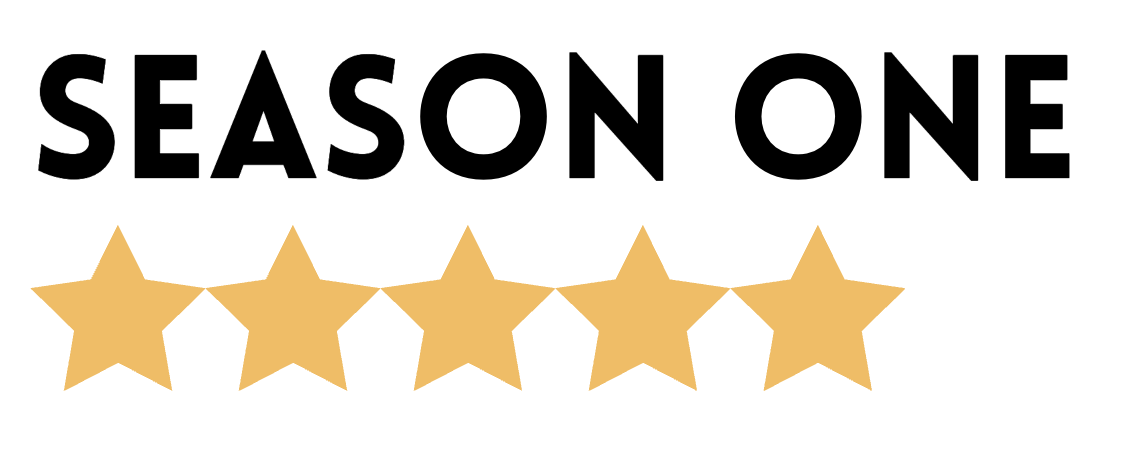
Season One set the tone for the entire show, and it did so knowing exactly what it was about.
It took a relatively simple concept (a group of friends goes looking for their missing friend and accidentally stumbles on something much bigger than all of them), and elevated it in the most extreme, well-themed way possible. Winona Ryder is introduced to a new generation as Joyce Byers, mother of the boy who goes missing, and she does such a good job being the craziest person in town who is right about everything. She’s paranoid and freaking out to the point of insanity, and you can tell she loves Will so much and is willing to do anything to get him back. It was well-loved for its dedication to its small-town mystery-horror vibe, as shown through iconic scenes such as: Will communicating with Joyce through the lights (and Joyce’s subsequent axing of the wall), Steve using a baseball bat with nails hammered into it to fight a demogorgon and Eleven accessing the void via a makeshift sensory deprivation tank (Millie Bobby Brown is captivating in her portrayal of this character). However, the scene that I feel best sums up season one takes place later on in the season, where the kids are biking away, military in hot pursuit. When El uses her powers to flip the van, that was when I knew the show was extraordinary.
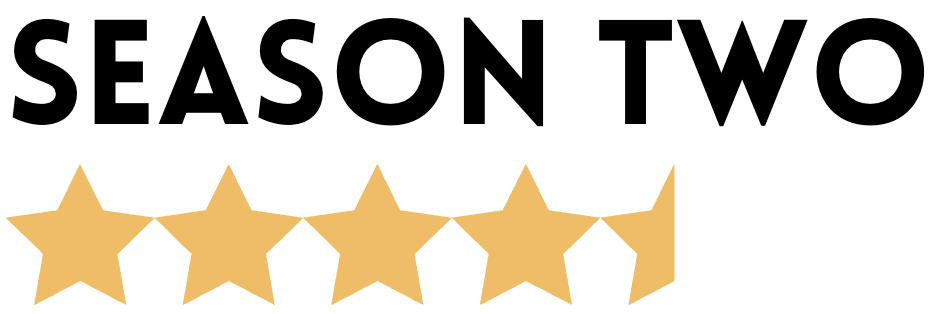
After the first season did so well, expectations were high for the second season. I can confidently say that they knocked it out of the park. Noah Schnapp really shows off his acting chops here, carrying a lot of weight with his character’s possession storyline. He and Finn Wolfhard are fantastic as Will and Mike, adding emotional gravitas to every scene they share from “crazy together” to the shed scene (where Mike shares the story of how the two met in order to help Will fight off his possession). I might be alone in my opinion, but I actually got a lot out of El’s journey. Many wrote off episode seven and were shocked when the episode ended up being pivotal to the final season, but even if it hadn’t been, I thought it provided a lot of necessary insight into El’s character and backstory. Finally, Sadie Sink and Caleb McLaughlin are sweet as Max and Lucas, but the highlight of season two for me was the unlikely friendship that develops between Steve (Joe Keery) and Dustin (Gaten Matarazzo). The two play off each other surprisingly well, bringing not only humor but touches of genuine connection. All in all, one of the most well-executed seasons of Stranger Things from plot to character arcs.
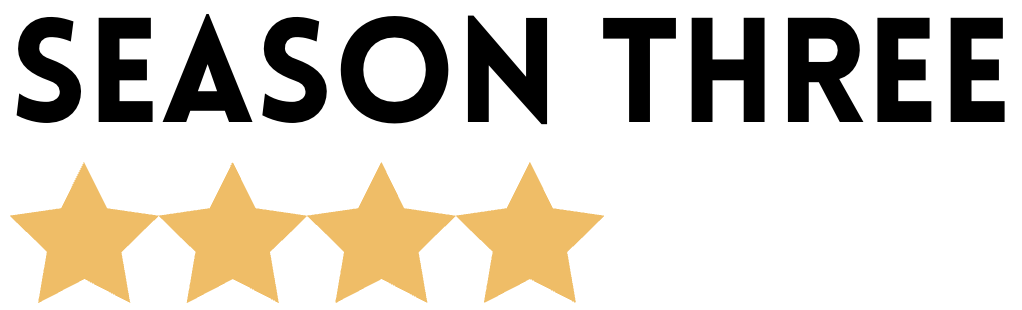
In terms of entertainment value, season three was the strongest. It had some of the funniest scenes, the clearest encapsulation of the iconic ‘80s vibe from the setting to the music, and above all, some of the best character moments: Will and Mike’s fight in the rain, El and Max’s shopping mall montage, Jonathan and Nancy’s teamwork. Everything with the Scoops Troop was gold, but Robin’s coming out scene with Steve is one that particularly stood out to me. From the way the dialogue feels so natural to how sincerely the actors embody their characters, it was simply perfectly done to me. Some disliked the season’s lighter tone, but for me, the juxtaposition of the “summer fun” feeling at the beginning with the descent into more horror-movie-esque scenes (like the hospital scenes) just made the experience better. That scene where Dustin and Suzie duet “Never Ending Story” and it cuts to one of the groups being actively hunted by monsters? I loved it. The playful contrast between gore and campiness was delicious, and season three was unique in how far they took it.

Season Four is a special season for me, as it gave us one of the most memorable moments in the entire show: Max’s “Running Up That Hill” scene. There are countless analyses and dissections of what makes this scene so good, from the cinematography of the running shots interspersed with emotional flashbacks, the building of Kate Bush’s legendary song, to Sadie Sink’s phenomenal acting taking center stage. All I can say is that even if the rest of the show was worthless garbage, “Stranger Things” would have deserved all of the acclaim it’s received over the years just for that scene. Other season highlights include: the reveal of El’s history with the Upside Down and her confrontation of her past, every single Lucas and Max interaction, and the character dynamics between the older teen characters (Nancy, Robin, Steve and Eddie) as well as Eddie’s extremely metal guitar solo.
Some feel that some of the other storylines were unnecessary, leaving much to be desired in impact and plot relevance. On one hand, while I agree that the Russia storyline (surprise, Hopper’s alive and Joyce and Murray need to go to Russia to rescue him) was a little flimsy, I enjoyed a few moments like Murray’s plane fight and Joyce and Hopper’s reunion. On the other hand, I adored the California storyline with Will, Mike, Jonathan and Argyle road-tripping across the country to find El. I disagree with the idea that every single scene in every show needs to be essential to the plot–in my opinion, there’s nothing wrong with a bit of filler, and in this case, it can pave the way for character moments that have a lot of payoff down the road. It felt like a shift in the show’s chemistry, from the gorier deaths to the added flavor of the satanic panic/Hawkins citizens’ mob mentality. I left season four feeling hopeful for the show’s end, vaguely expecting a post-apocalyptic storyline with a return to the first season’s vibe. I had no idea what was in store.
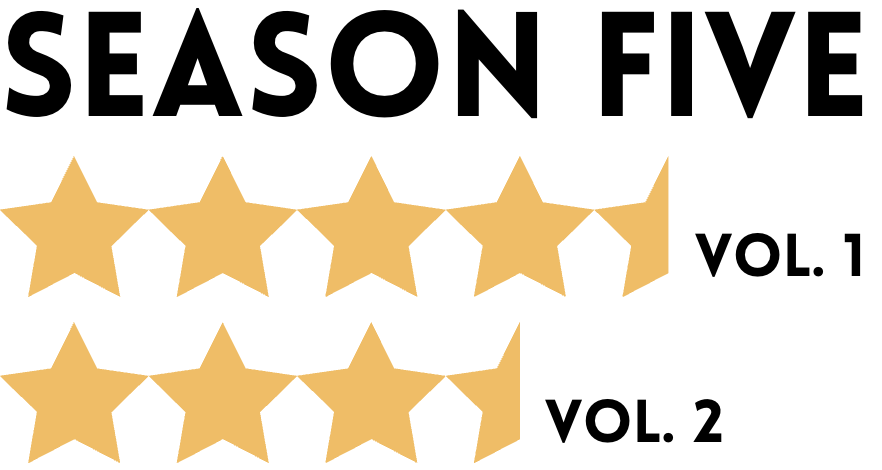
Volume One (the first four episodes) of season five were pretty much everything I wanted and more. Obviously, the highlight was the end of “Sorcerer,” with the reveal that Will had powers. It felt like something the entire show had been building to, and I was ready to watch Will take on a bigger role as the final episode approached. However, I was a little disappointed by Volume Two and the finale. It felt like he had been delegated to a background role again, his connection with Vecna and the hive mind left unexplored and unexplained. Many queer fans felt that his coming out scene wasn’t representative of authentic experiences, and that it would have been better if it was more intimate or personal like Robin’s in season three.
I did enjoy Will and Robin’s dynamic, and felt that their fresher relationship served as a good foil to Steve and Dustin working through their differences and coming back stronger than ever (Dustin had a particularly powerful performance this season). I would’ve loved to see more focus on family dynamics, whether between the Byers, Wheelers, or Sinclairs, and I was a little confused at the high amount of screen time given to the kids that Vecna kidnapped, given that that storyline didn’t really seem to lead anywhere. Derek was a character I (and many others) didn’t expect to love, and Holly’s new actor (Nell Fisher) held her own with seasoned season regulars like Karen Wheeler (Cara Buono) and Vecna (Jamie Campbell Bower). Bower was impressively bone-chilling, switching between kindly Mr. Rogers-type figure and terrifyingly powerful Vecna at the drop of a hat. Lucas and Max gave star performances as always, and Amybeth McNulty as Vickie and Randy Havens as Mr. Clarke were characters I eagerly anticipated the return of (no disappointment there).
The writers dropped the ball a little with Erica, Kali and Jonathan. I felt that as women of color, Erica and Kali’s characters were done a disservice in terms of their lack of development and lack of any poignant arc or storyline. Particularly Kali–I feel like she was brought back to shock the audience, and then used to prop up El’s storyline. I didn’t mind what they did with Jonathan’s relationships with Steve and Nancy, but felt that they should’ve delved deeper into Jonathan’s relationship with Joyce or his internal journey. However, I knew that they had a chance to fix all of these things in the finale, so I wasn’t too worried. On Dec. 31, 2025, episode eight came out, and it was nothing like I expected.

People loved the finale. People hated the finale. All fans are entitled to their own opinions, but nonetheless, there were questions left unanswered. The Duffers themselves claimed ambiguity, saying things were “up to interpretation” and “happened off-screen.” Before this episode (and this season, for that matter), every element was intentional. There was not a single wasted frame. The dedication of not only the cast, but the crew was so clear. Every glimpse of the background, every character’s clothes and every room in every house was a result of the thoughtful efforts of the show’s cast and crew. Not a single detail was a throwaway, until the finale dropped.
Spoiler warning for the finale.
The first time I saw the finale, I hated it. I rewatched it in theaters with my family, and the second time through, I loved parts of it. However, I can’t shake the sense of wrongness at certain decisions that were made. For one, the fight that the show had been building to the whole time was over in a matter of minutes. I was disappointed that it appeared to be a purely physical fight, ignoring that in previous episodes, guns and firepower had little to no effect on the supernatural creatures. I think that if it had been more of a mental battle (like Hopper’s hallucination of killing El), with each character struggling to differentiate between reality and fear-fueled nightmare, that it would have been much more interesting and satisfying to watch. Additionally, some of the characters felt like total departures from those that I had loved through five seasons. El’s death felt out of character, and her final goodbye with Mike even more so. I don’t mind romance between characters, but after these two had spent the better half of two seasons ignoring or at odds with each other, their kiss felt like it came out of the blue. The fact that Mike never said he loved her back was strange, and the complete lack of emotion in the acting in this scene felt intentional and wrong. Plus, it was jarring that Will lied to Mike about El commissioning a painting, and it was never addressed.
I didn’t like that they gave some characters no resolution beyond romance (Lucas and Max, Joyce and Hopper), or neglected to address some characters’ romantic arcs at all (Vickie completely disappears and Robin never mentions her again, Will never gets a reciprocated love interest). Beyond that, there were so many questions left unanswered (“Why was the Upside Down another version of Hawkins, and why was it stuck in time as the date Will was originally taken?”) and so many elements that lacked payoff (like the “For Will” mixtape). If I were to list them all, it would be the length of another article, so I’ll conclude by saying: the finale left a lot to be desired.

Nevertheless, make no mistake: whether you loved, hated, or felt indifferent about the finale or even the show as a whole, the impact of “Stranger Things” will go down in pop culture forever. Disregarding the now-grown child actors who will likely go on to have extremely successful careers, its legacy also includes a lasting fanbase, spinoffs and companion content. For me personally, I grew up with this show, and despite its ups and downs, “Stranger Things” will always have a place in my heart and in my media library.