What Taking a CR Means


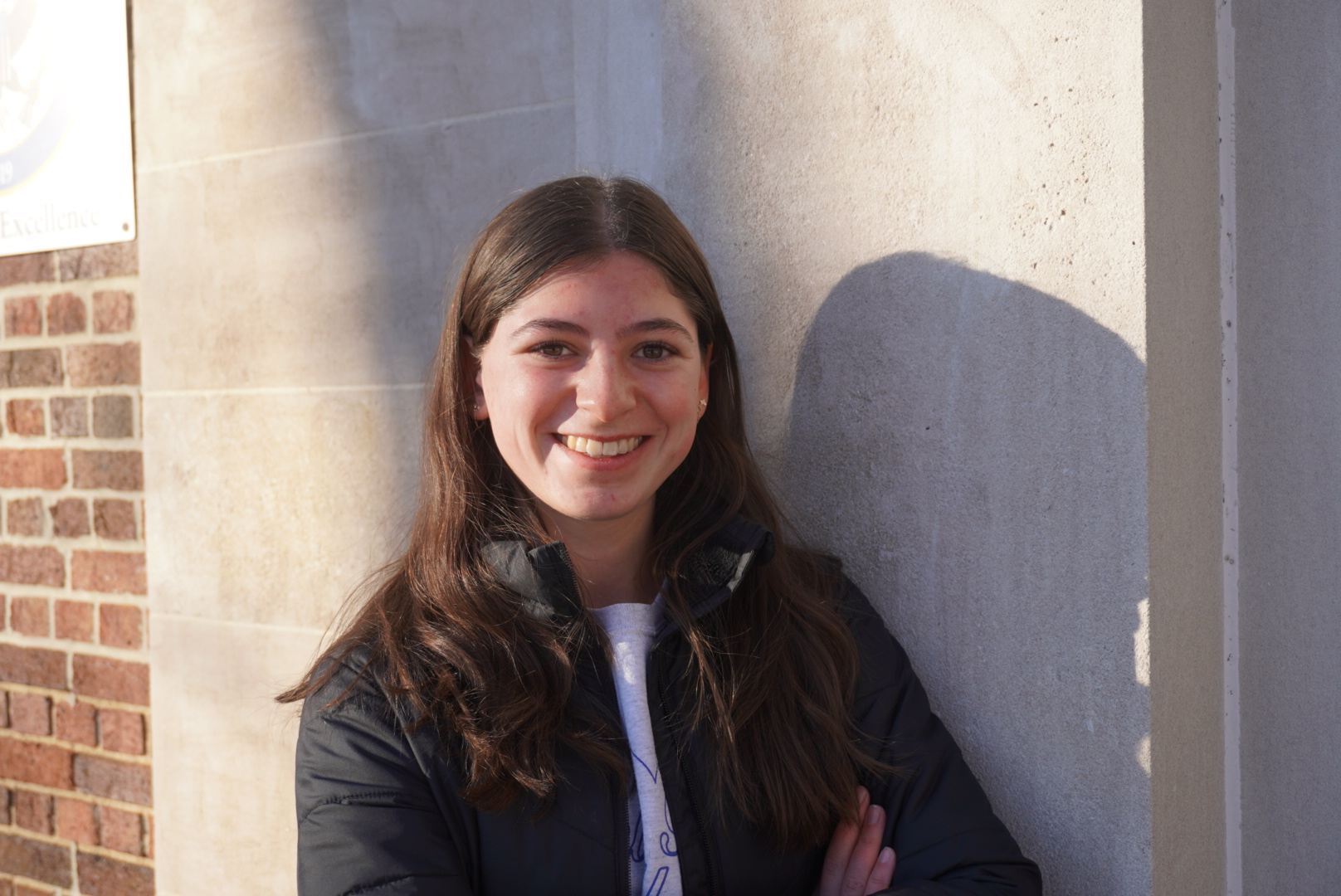
Avery Mayer has loved animals for a long time. With interests in science and biology, she had thoughts of going into a veterinary career in the future, but was worried it wouldn’t be right for her. By starting her Veterinary Internship Community Resource (CR) this year, Mayer is able to experience hands-on learning in the clinic to see if being a vet could work for her. CR classes are built by the students in them, combining high school credits with new and fascinating topics that a student is interested in.
“It’s really cool being able to learn in a hands-on way, instead of reading from a textbook,” Mayer said. “Most of the things I’ve learned have come from being in the clinic and experiencing it hands-on.”
Every two weeks, Mayer and her instructor move to a new topic. So far she’s covered everything from dental care and hygiene to diseases and animal behavior. On two Sundays of every month, Mayer has the opportunity to be in the clinic with her mentor to apply what she’s learned.
Mayer was concerned that a CR would never fit into her schedule, so she jumped at the opportunity to take one during her free second block this school year. The process for fall semester CRs can happen throughout the summer, as the deadline for registration happens only a few days into the school year. Mayer worried about missing the deadline for her CR going into the fall semester, as she had created and organized it over the summer. She was able to make the course with her neighbor, Carrie Cosola, who works as a veterinarian.
In-depth experiences like a veterinary internship often are difficult courses to find, especially in niche topics and fields that aren’t generally taught in schools. With the CR program, nearly anything can become a class, and it’s available to any Ann Arbor Public Schools student.
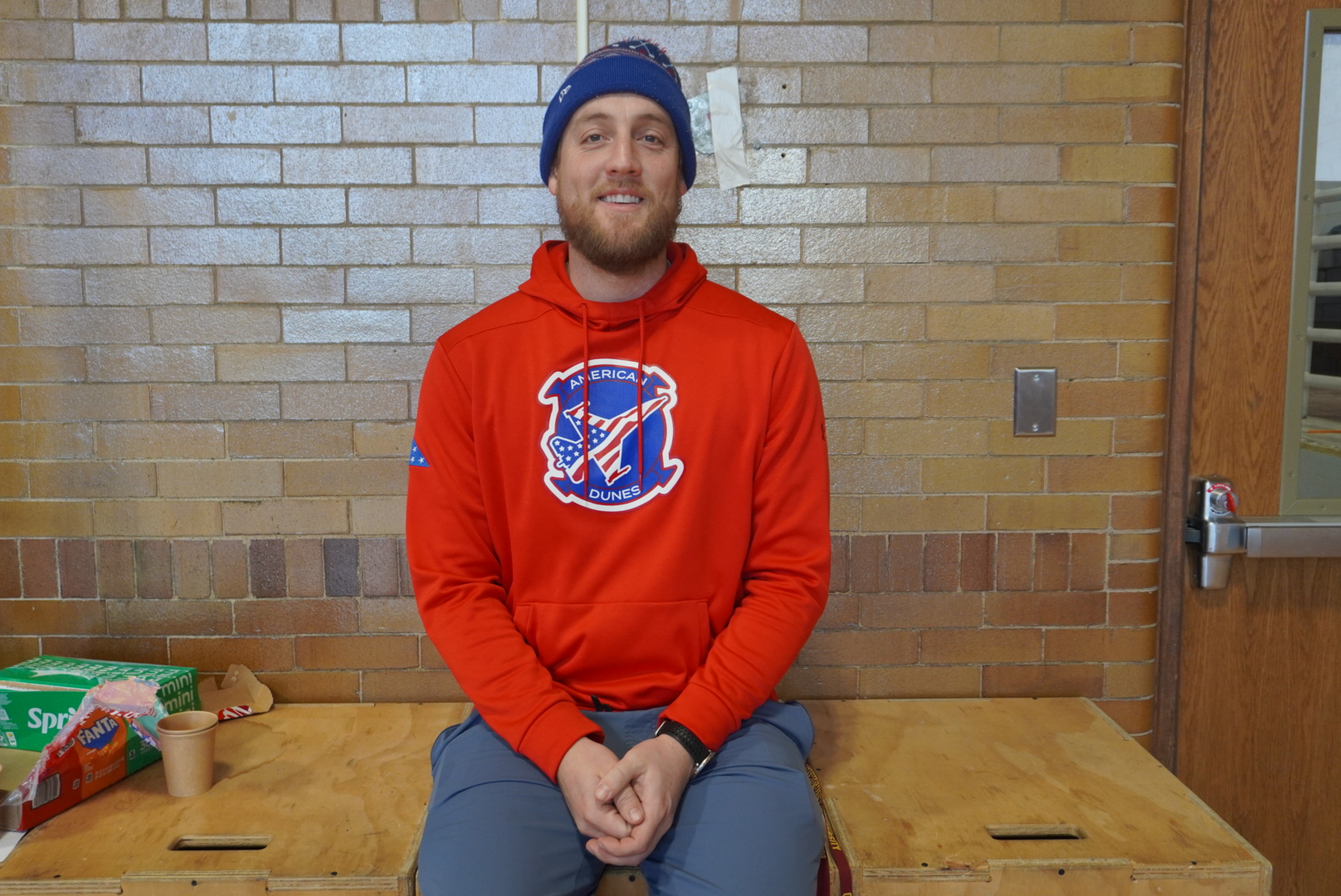
Kevin Starkey, the physical education teacher at CHS and one of several CHS CR monitors, believes that CRs are a great way to get out into the community and pursue interests that might not typically be available in a school environment.
“Not every class fits everyone’s mold,” Starkey said. “CRs allow you to build your own class or take a class in a different style.
To learn the material in a CR course, students have instructors who teach content and assign work based on the goal of the CR. Since a CR takes the place of a normal academic class, students are expected to work on the material for five to six hours weekly. Often, instructors are friends or family members of the student, so meeting times with instructors vary for each individual. Some CRs are taken at nearby universities, such as the University of Michigan. In these courses, students meet in the class as if they were a college student and complete the same assignments.
Along with CR instructors who teach the course, there are also CR monitors. Like Starkey, several staff members at Community help make sure students are staying on track in their programs.
History CR monitor and CHS teacher, Joslyn Hunscher-Young frequently assists students through the process of developing a CR, especially in the history department.
“We approve the CRs to make sure that they’re meeting all the requirements,” Hunscher-Young said. “We also help people find connections and we are always excited to help people brainstorm a CR.”
Requirements needed to ensure a student’s success in a CR include making a syllabus and working five to six hours a week, as well as working through a curriculum. CR monitors have their names on a student’s transcripts–making them an official ‘teacher’ for the course through weekly check-ins and progress reports.
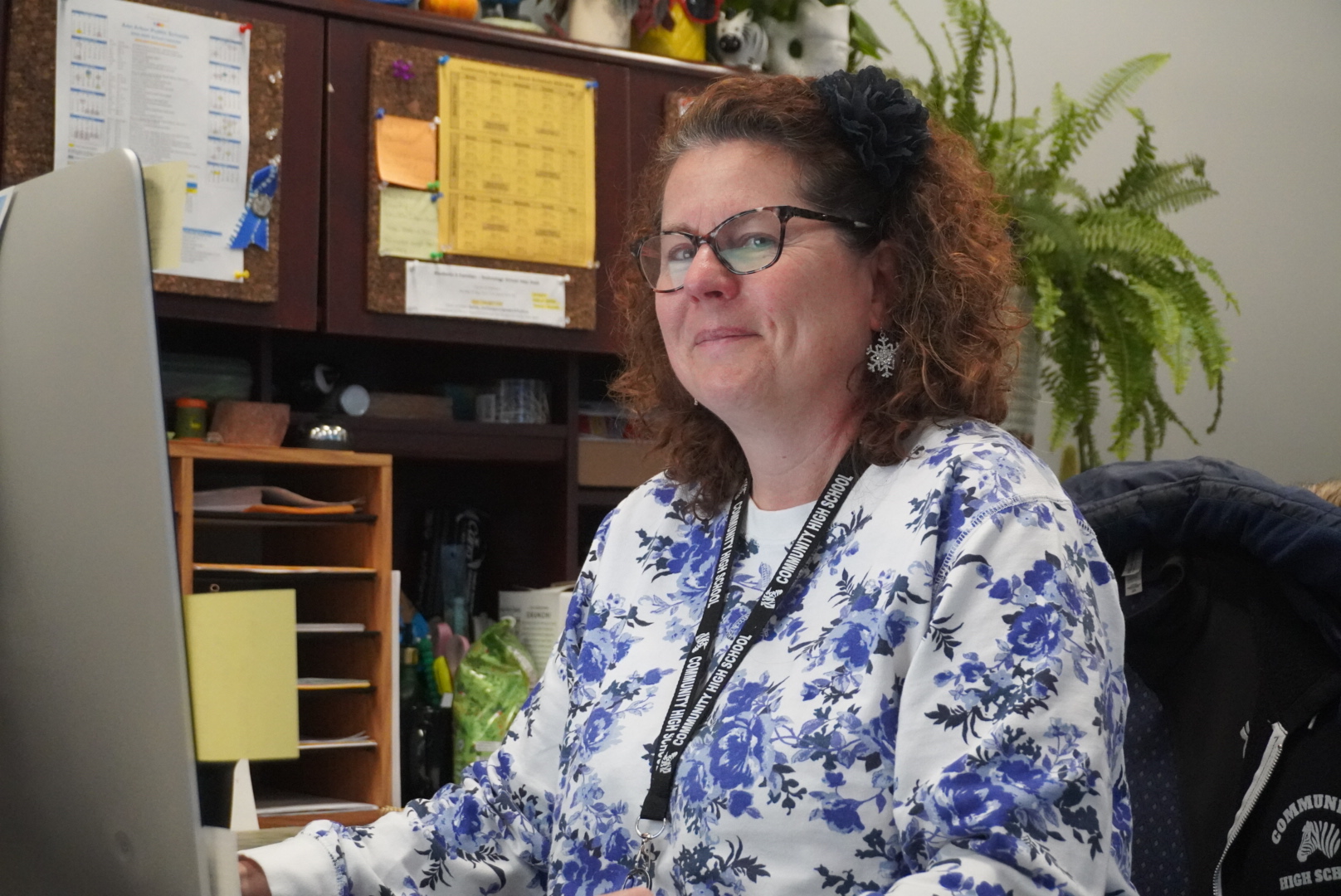
Lisa Durham, the administrative assistant at CHS, works behind the scenes to put CRs in a student’s schedule.
CR’s not only help students branch out to topics of interest, but can also leave lasting effects on them. CR’s encourage students to build responsibility and pursue their passions outside of the walls of CHS. Lisa Durham, the administrative assistant at CHS, works behind the scenes to put CR’s in a student’s schedule.
“One of the great things about a CR is that you take the lead as the student,” Durham said.
Durham believes that using a CR course is an excellent way to practice pursuing an interest and turning it into a reality. Overall, CRs open doors to students all throughout the Ann Arbor District Schools community, and can help students grow into the next generation of innovators.