
Slices of Zingerman’s


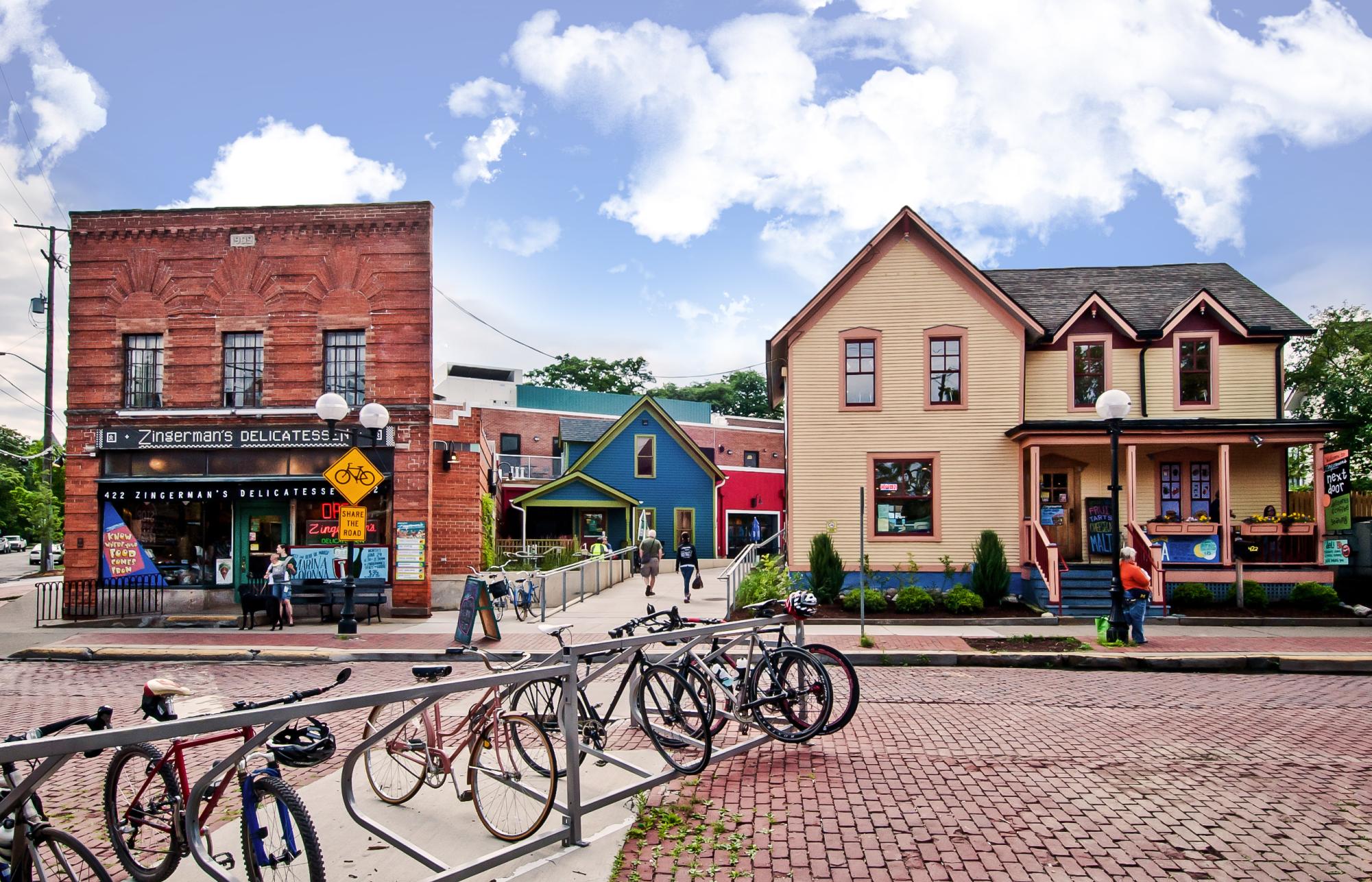
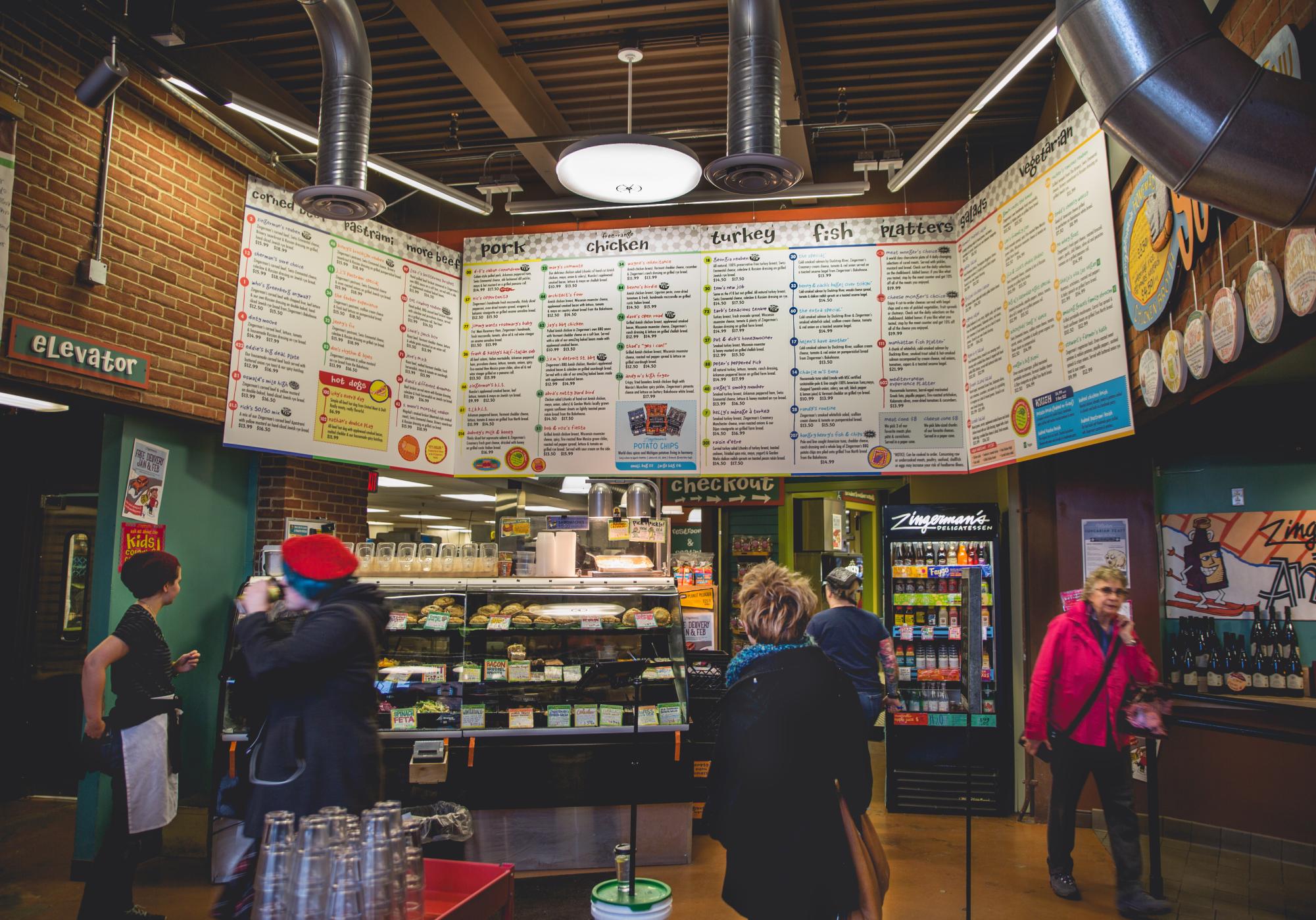
Founded in 1982, Zingerman’s Delicatessen has not always been the thriving Ann Arbor staple it is today. What began as an idea, A dream shared by two friends, Ari Weinsweig and Paul Saginaw who hoped to bring their traditional Jewish foods from their hometowns to Ann Arbor.
Despite the name, there has never actually been a “Zingerman”
The two friends wanted to go with their own last names. However Weinsweig worried that his surname would be too hard to pronounce, while Saginaw feared his name would be overshadowed by the nearby city.
Instead, the pair settled on “Greenberg,” believing it sounded approachable and distinctly Jewish. However, when they tried to register the business, they received an unexpected call from a man in Detroit who had already claimed the name.
Back to the drawing board they went.
After careful consideration the pair decided a successful business name is one that stands out — particularly in the era of phone books. Knowing their deli had to appear at either the beginning or end of listings, they began brainstorming names starting with the letter “Z.”
Jenny Santi, Zingerman’s marketing and communications manager, said the now-iconic name was ultimately inspired by its sound, rather than any real person.
“I can’t remember who it was. Maybe it was one of their wives who suggested Zingerman’s as a Jewish sounding name,” Santi said. “But it was completely made up, there is no Zingerman’s person.”
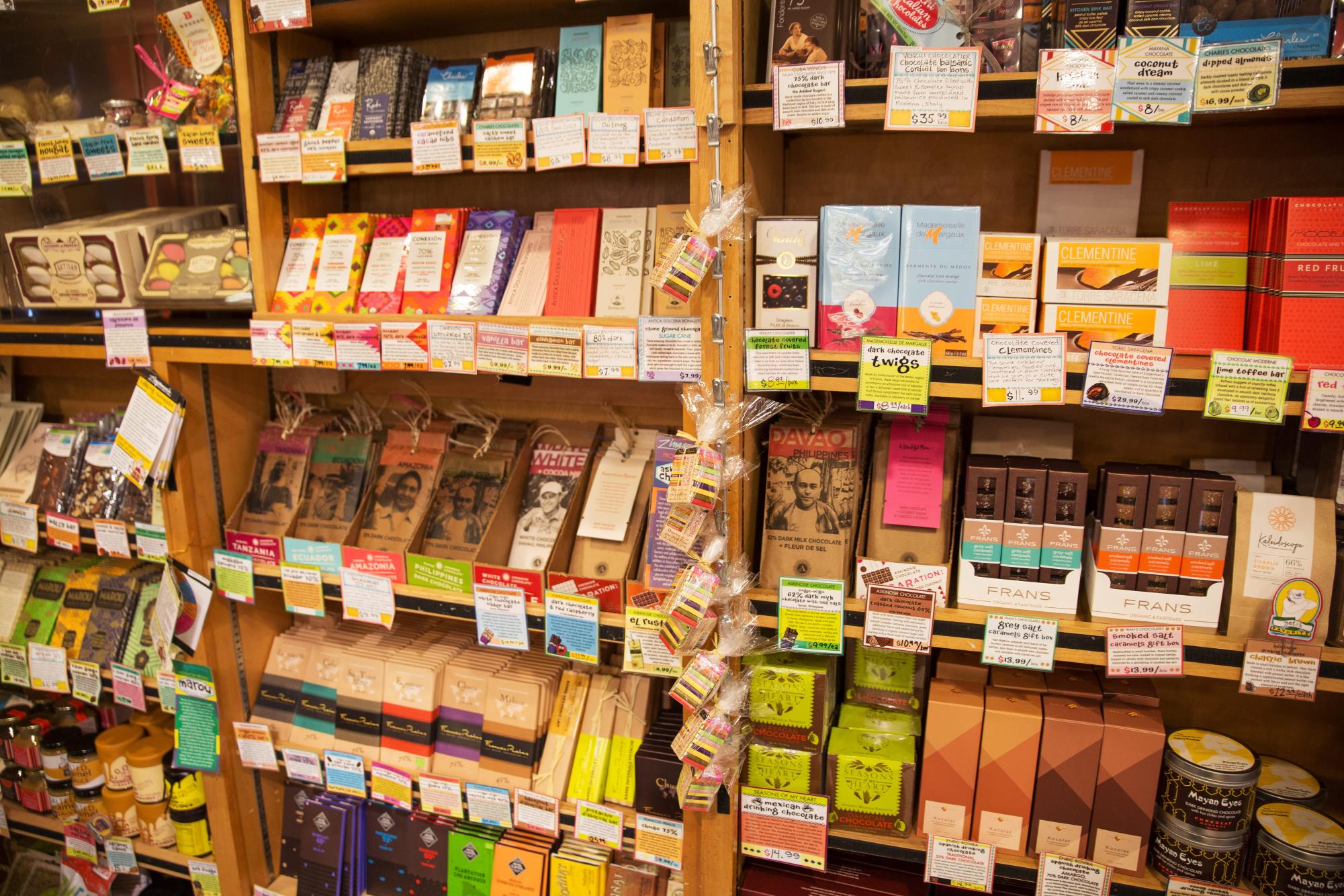
The business then opened in Kerrytown as a modest grocery store and deli. Now, more than four decades later it has blossomed into a network of Ann Arbor destinations, including everything from event spaces to a candy store.
Surprisingly, large-scale expansion was never a part of the founders’ original vision.
As the deli gained popularity over the years, customers encouraged Weinsweig and Saginaw to open locations across Arbor and even cities like Chicago. The founders resisted, believing that Zingerman’s success was tied to something difficult to replicate.
“They really felt like the success of the deli was because of the neighborhood,” Santi said. “It was because of the building it was in, because of the things and the people that were inside. They didn’t feel like if you picked that up and replicated it somewhere else, that you would have the same food experience, the same service experience.”
Rather than franchising the deli itself, the founders made the decision to build new businesses, each with their own distinct identities. While still maintaining their same customer centered core values, the philosophy eventually evolved into a network of 11 businesses, spanning through the Ann Arbor and Dexter area.
Most recently, the business has launched food-focused travel tours that take customers on a culinary experience by bringing them to the origins of Zingerman’s ingredients. Destinations include a range of places, such as Tuscany, Ireland and Vienna.
Despite all the changes the company has seen, Santi says its mission has remained largely unchanged: ensuring every customer feels welcomed.
“We want them to feel included and welcomed, we want them to approach food and enjoy the food they’re eating,” Santi said. “Regardless of how much money they’re coming in to spend, or even if they’re not coming in to spend money, we want people to have a great time coming through the door and learning about our food. We want them to feel like we were the best part of their day.”
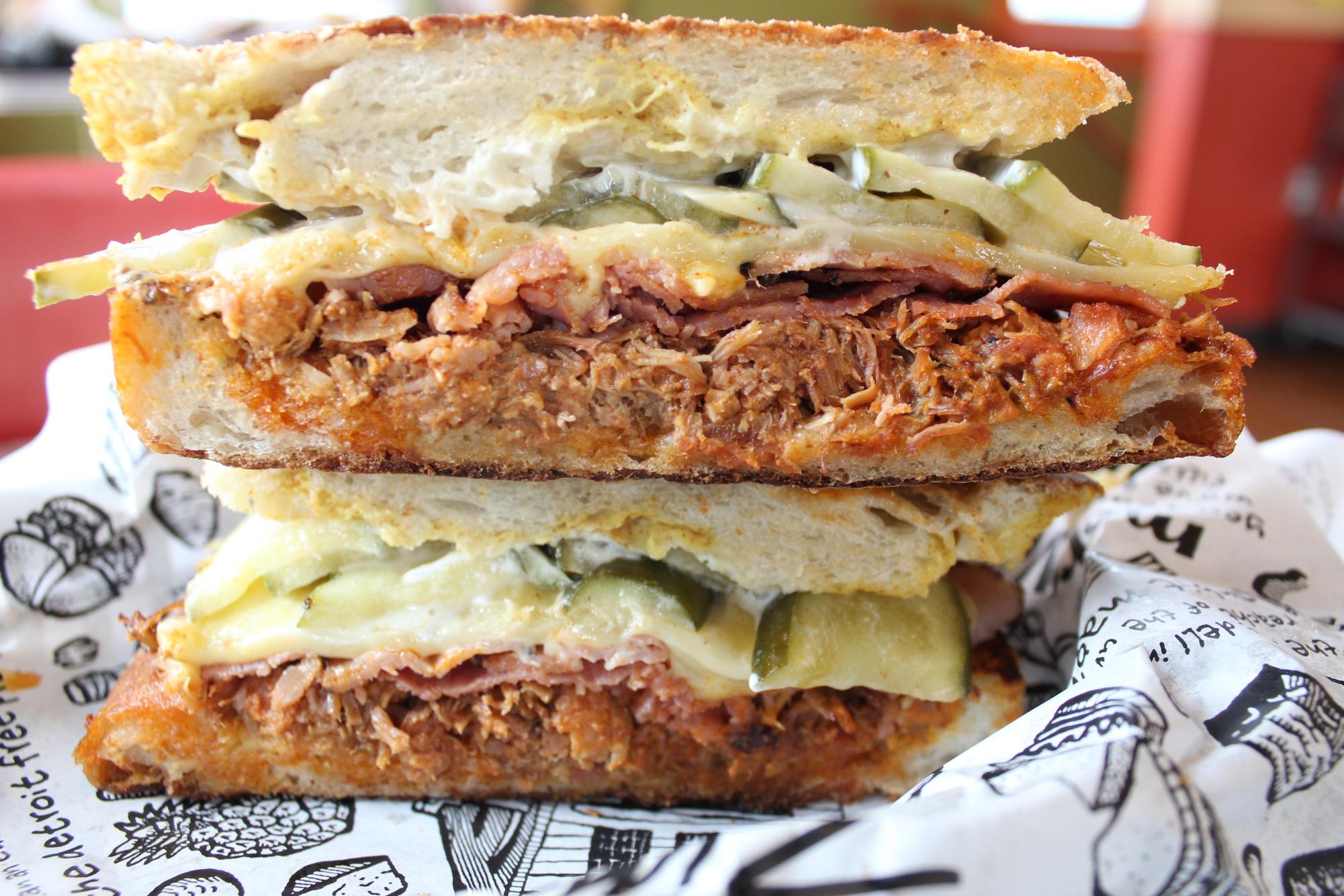
At Zingerman’s Delicatessen, sandwiches are more than just menu items.
From the ingredients layered between slices of bread to the names printed on the menu board, each sandwich is designed with intention. Some names honor employees, while others reference inside jokes or longtime customers, nearly all carry stories that span beyond the deli counter.
“From time to time, there have been people here who sort of excel at coming up with quirky, fun names for sandwiches,” Communications manager, Jenny Santi said.
“From time to time, there have been people here who sort of excel at coming up with quirky, fun names for sandwiches,” Zingerman’s marketing and communications manager, Jenny Santi said.
In the early years of the deli, founders Paul Saginaw and Ari Weinsweig named the sandwiches themselves. But as the menu expanded, the processes became more and more collaborative. Staff members were invited to sample new creations and brainstorm names that matched the sandwich’s personality, flavor or inspiration.
Over time, the naming processes became part of the deli’s culture.
One of the more recent sandwiches on the menu was called “Otho’s Masterpiece” with a name that carries a particularly personal meaning. The creation had been named in honor of a member of Zingerman’s staff who had passed away, and was a tribute to the over two decades Otho dedicated to working at Zingerman’s.
Rather than simply adding another menu item, employees saw the sandwich as a way to preserve Otho’s legacy and recognize the role he played within the community.
Behind the playful names, in a more deep rooted philosophy about food.
According to Santi, Zingerman’s puts a significant emphasis on sourcing high-quality ingredients and maintaining a strong relationship with the suppliers. This value is one the company has prioritized since opening in 1982.
The deli imports food from around the world, while also still relying heavily on local food vendors, such as the Ann Arbor Farmers Market across the street. Long-term relationships with farmers and producers allows Zingerman’s to have ingredients delivered directly to the deli’s back door, while simultaneously supporting local businesses.
The attention to quality also shapes the way that the menu changes seasonally.
Several times throughout the year, the kitchen staff review the number of sales per sandwich, ingredient costs and overall pricing. These factors play a part in determining which sandwiches are here to stay, which ones can be scrapped and give them an opportunity to pitch new creations.
As food prices continue to increase nationwide, this task becomes continuously more difficult for Zingerman’s.
Like many restaurants, Zingerman’s has to navigate the increasing costs while still keeping the menu prices accessible for customers. The deli strives to offer a range of options at a range of different price points without compromising the quality of ingredients.
Even as the menu evolves the main goal: creating meaningful relationships through the power of good food, remains unchanged.
At Zingerman’s even small details like sandwich names are never random. More often than not they serve as mosaics of the people who created them, relationships and stories that continue to shape the deli, even decades later.
When Jenny Santi earned two degrees from the University of Michigan, the last place she expected to build a career was Zingerman’s Deli.
With a background in conservation biology and environmental issues she began her career working for non-profits in Minnesota before eventually returning to Michigan. After spending time at home raising her children, 12 years ago Santi decided that she wanted to re-enter the workforce, though she wasn’t exactly sure where that path would lead her.
“I love food. I’ve always loved to cook,” Santi said. “I really wanted to work for someplace mission driven.”
In her search for a meaningful workplace, Santi found herself at Zingerman’s doorstep, the nationally recognized Ann Arbor deli that sat just blocks away from her home.
“Zingerman’s is right in my backyard, I thought ‘why don’t I go work for them? They’ll teach me about food, they’ll teach me about business,” Santi said.
Santi first joined the deli working as an assistant to one of the managing partners. Working part time as her children were still young she spent much of her time organizing projects and ensuring operations ran smoothly.
“Marketing is a lot of project management,” Santi said. “This opportunity came up and I sort of grew into this space.”
Over the years Santi has learned the ins and outs of social media, the importance of branding and communication, all while helping oversee various projects throughout the deli. Today, she serves as Zingerman’s marketing and communications manager.
Starting as an assistant to one of the owners, Santi moved her way up the ranks where she now works as the marketing and communications manager. As part of her job now, Santi oversees projects, but some of her fondest memories come from working with children before the COVID-19 pandemic.
Through guided tasting, Santi encouraged kids to describe the flavors and textures they were experiencing, in an attempt to help them expand their palate and comfort zones.
“I was a picky eater as a kid,” Santi says. “My kids were picky eaters too. I love giving kids a way to approach food with confidence. Santi found that by the end of class many children’s opinions had changed about foods they had once claimed to dislike.
“I’d have kids say ‘I thought I hated tuna, now I love tuna,’” Santi said. “Those small moments were so joyful.”
For Santi the lessed reached deeper beyond food itself.
“We eat everyday,” Santi said. “You don’t have to become a foodie. You just need to know how to navigate the food in front of you without feeling awkward or afraid.”
Outside of teaching others to love food, Santi has developed her favorite menu items over the years she’s spent working at Zingerman’s. During the Summer she looks forward to the Bulgarian cucumber soup to rejoin the menu. Made with yogurt, fresh cucumbers and walnuts it is perfectly refreshing for the heat of the summer season.
On a day-to-day basis however, Santi keeps her order simple.
“I eat a lot of turkey sandwiches,” Santi says. “I really love the turkey that they serve here.” Still, the deli’s most famous item remains the No. 2 Zingerman’s Reuben, stacked with corned beef, sauerkraut, Swiss cheese and Russian dressing.
“That’s what most people come here for,” Santi said. “We sometimes call this ‘the house that corned beef built.’”
More than a decade after joining the deli, Santi said the thing that continues to stand out most is the sense of purpose behind the business.
What began as a search for “a fun job” eventually became an unexpected career rooted in food, education and community.