An Immigrant’s Holiday Menu

Recipe: Odessan Eggplant Tomato Sauté! (Also referred to as Eggplant Ikra Spread)
Family’s culture: Ukrainian Jewish
How the Khesin family cooks it: “Sauté onion, tomatoes, garlic, and eggplant.”
Goes well with shredded cooked beet salad, smoked fish, and cabbage pie. No bread stuffing allowed, it’s too American.
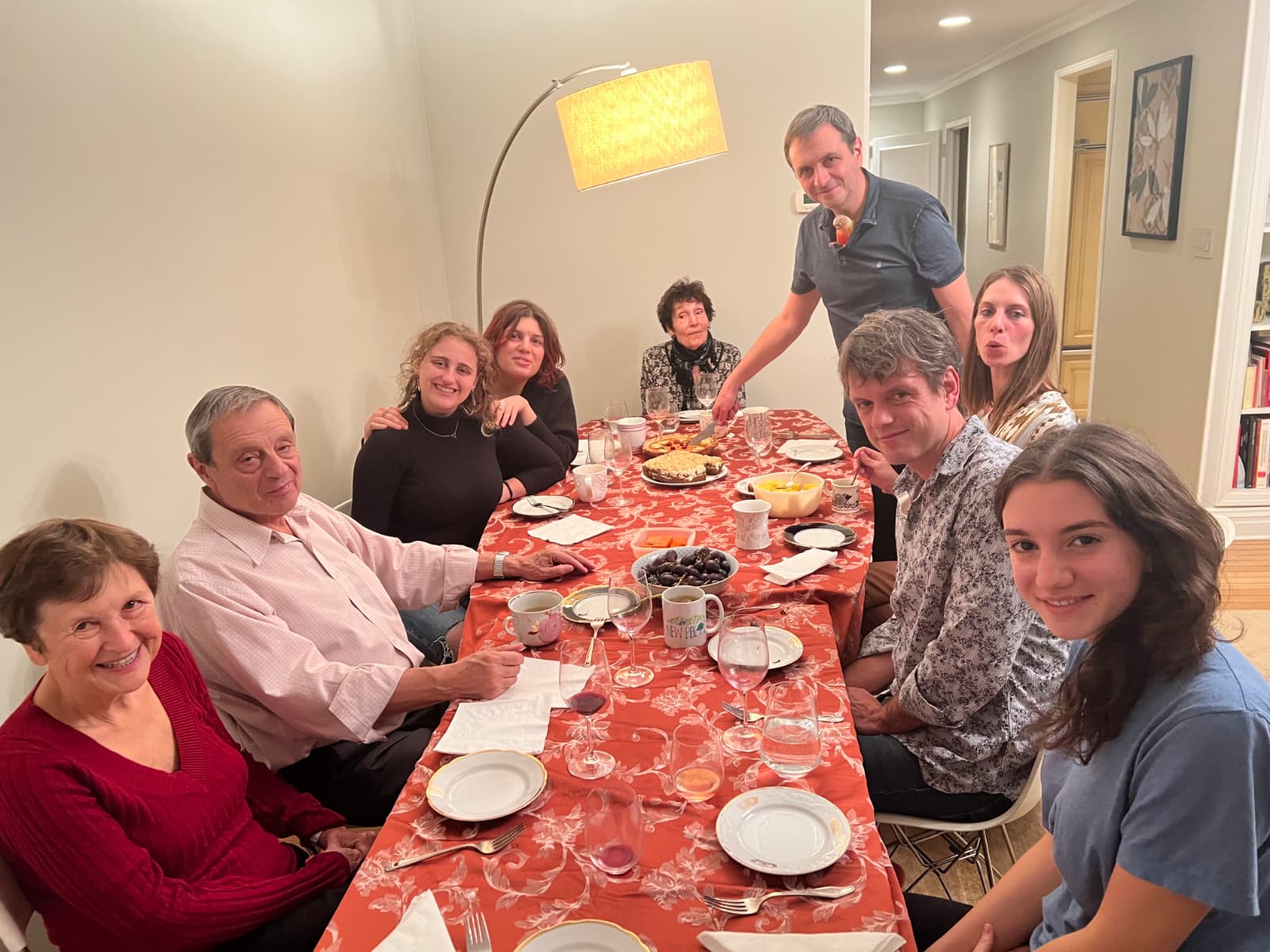
“For me, it’s special because I grew up with a pretty American Thanksgiving. My family would get Whole Foods turkey, bread stuffing, etc. Sometimes we’d make our own cranberry sauce, which was an achievement. It’s nice to get a more culturally blended Thanksgiving celebration. It also helps me get to know my partner, her family, and her background. Food is an important cultural value [to my partner’s family because] in the Soviet Union there were food shortages when my partner’s parents were growing up there.
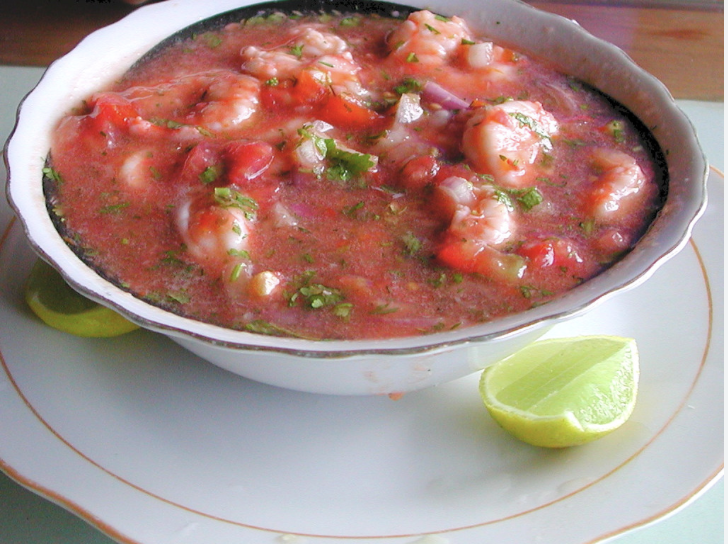
Recipe: Ceviche
Family’s culture: Ecuadorian
“Ceviche is a common meal in Ecuador and my family likes making it during any special occasions.”
CHS junior Yohanna Igarashi
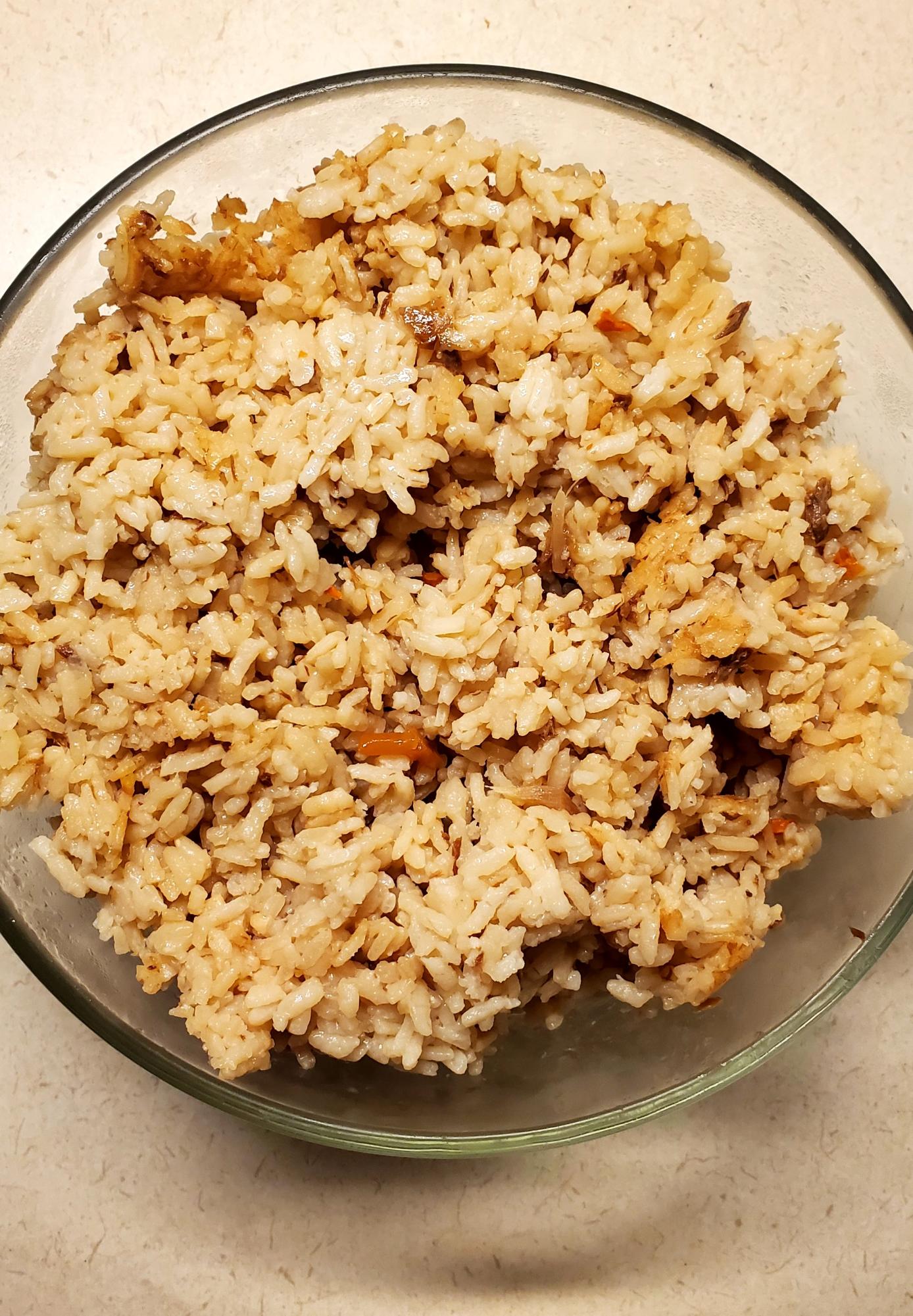
Recipe: 炊き込みご飯 (Takikomi gohan)
Family’s culture: Japanese
How the Igarashi family cooks it:“[This is] a savory rice dish with soy sauce flavoring that has salmon, bamboo shoots and carrots cooked into it. It’s pretty easy to make because I use a sauce packet that contains all of the fish and vegetables that I mix with the rice before I cook it.”
“Japanese food is important to me because it’s part of how I connect with my ethnic background. It reminds me of celebrating the New Year at my grandmother’s house where we get to eat different kinds of traditional dishes.”
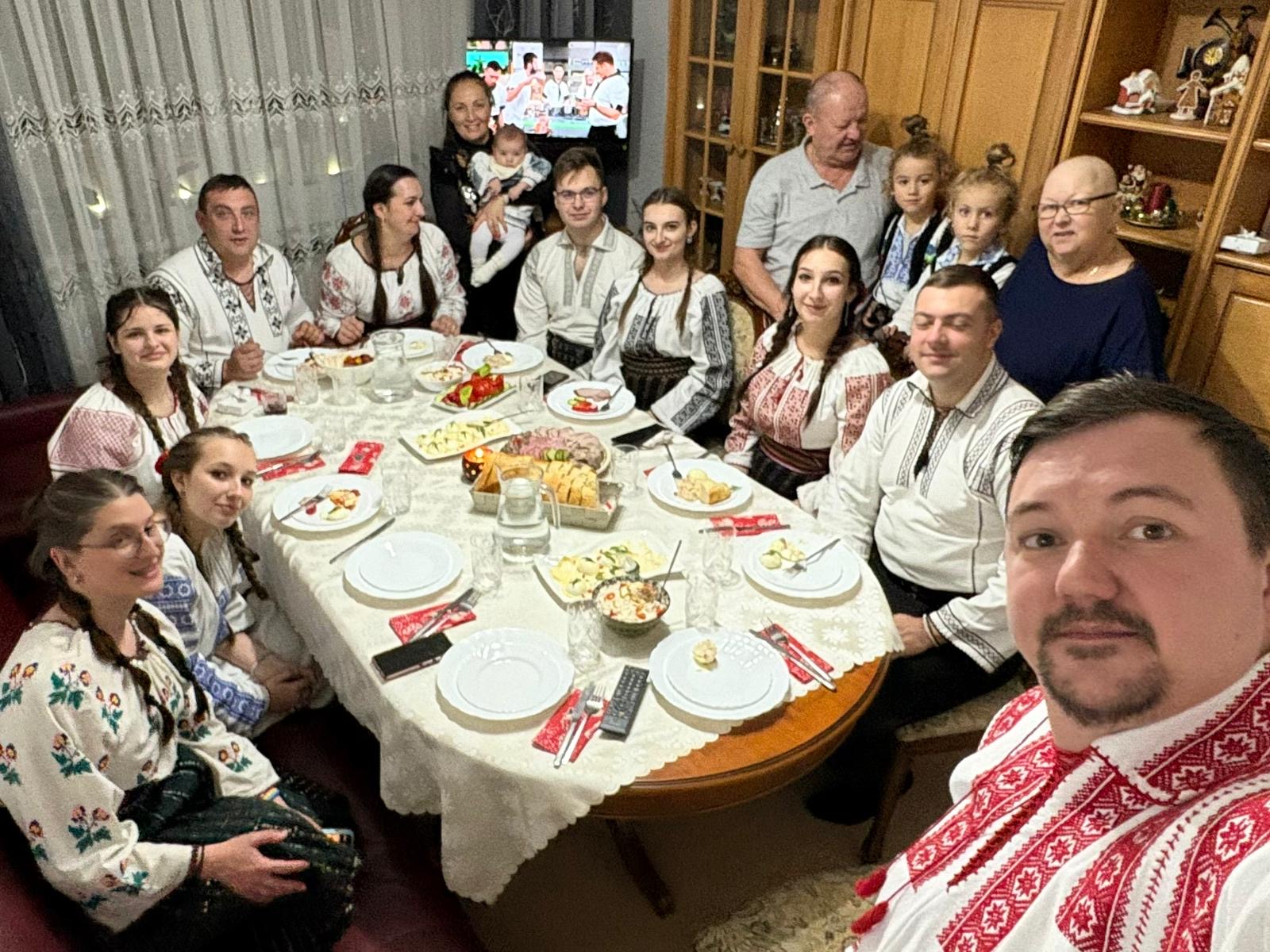
Recipe: Sarmale
Family’s culture: Romanian
How the Aenasoaie family cooks it: “During Lent in Romania we go vegan. Usually it has meat and rice wrapped in cabbage but you can make it vegan.”
“For me it’s my favorite food, we make it a lot for different occasions. It’s very versatile.”
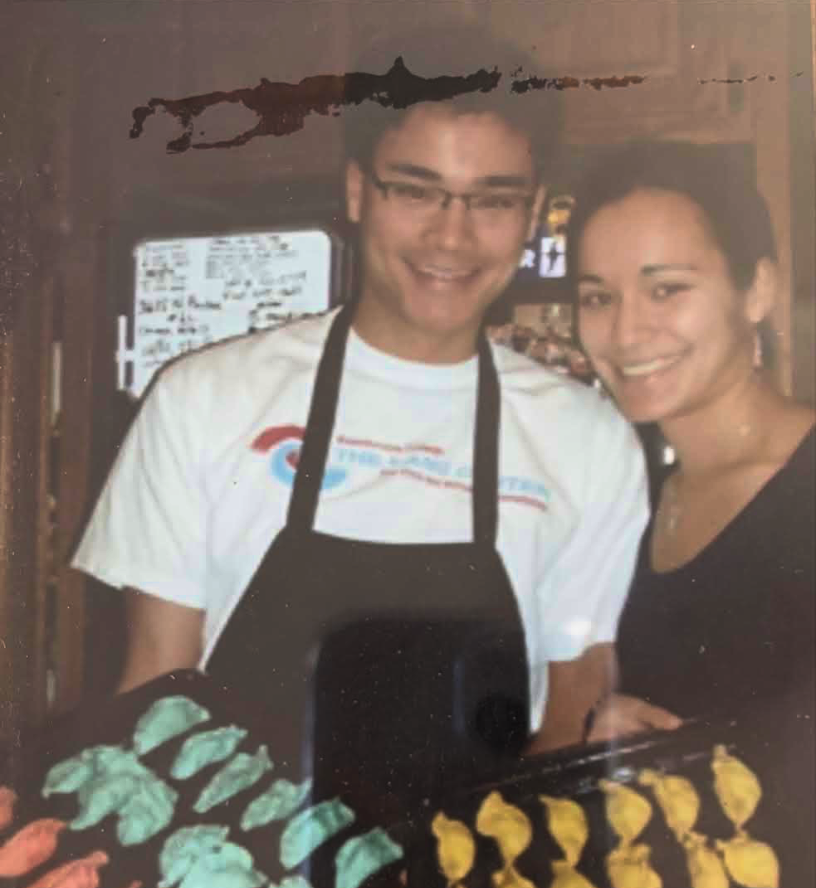
Recipe: Dumplings
Family’s culture: Chinese American
How the Hunscher-Young family cooks it: “We just buy frozen dumpling wrappers at the Asian market and we usually fill it with chicken or turkey, chives, cilantro and a little bit of soy sauce. [Then] we scoop it in and practice our dumpling folds, and a lot of times we steam them or boil them.”
“[Dumplings] connect me to my dad, my brother and now my children. In Chinese culture they’re a staple food, and during Chinese New Year they represent wealth and prosperity. It’s sort of a tradition now for me to bring in pre-cooked filling for my forum [around Chinese New Year], and then they fold them, and we eat them.”
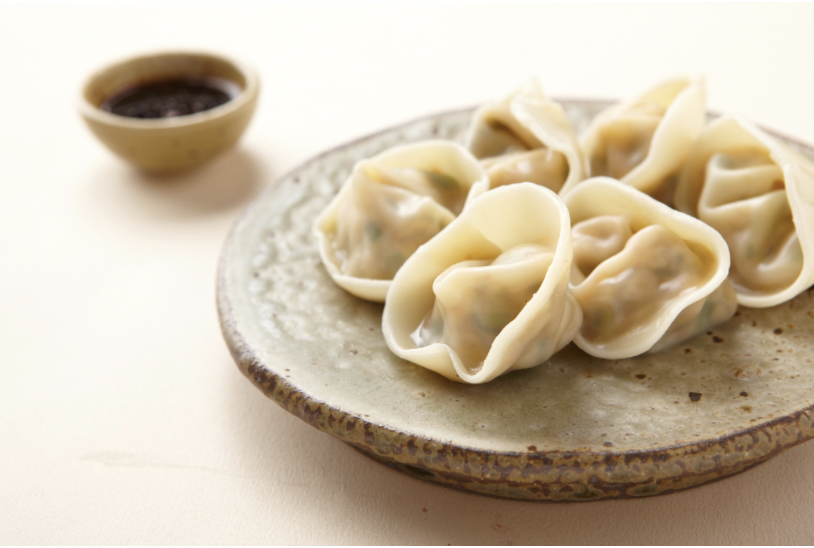
Recipe: Mandu
Family’s culture: Korean
How the Lapham family cooks it: “We usually just put lamb, kimchi, and green onions. Sometimes we put spices in it. There aren’t specific measurements. We crimp the edges in a half-moon shape and dip them in soy sauce. For the way you make them, you take the wrapper and paint the egg in one of the steam baskets. I prefer pan-frying, but it can be harder since you can burn them. We usually mix the lamb and the onions together and then mix it with the kimchi to use as the filling.”
“It tastes good and that’s why we make them. It usually takes my mom and I all day or a large portion of the day [to make mandu]. It’s nice to spend time with my mom, because I see my mom every weekend but I don’t always get to spend a lot of time with her, so it’s nice to make dumplings together.”
CHS junior Thea Soendergaard
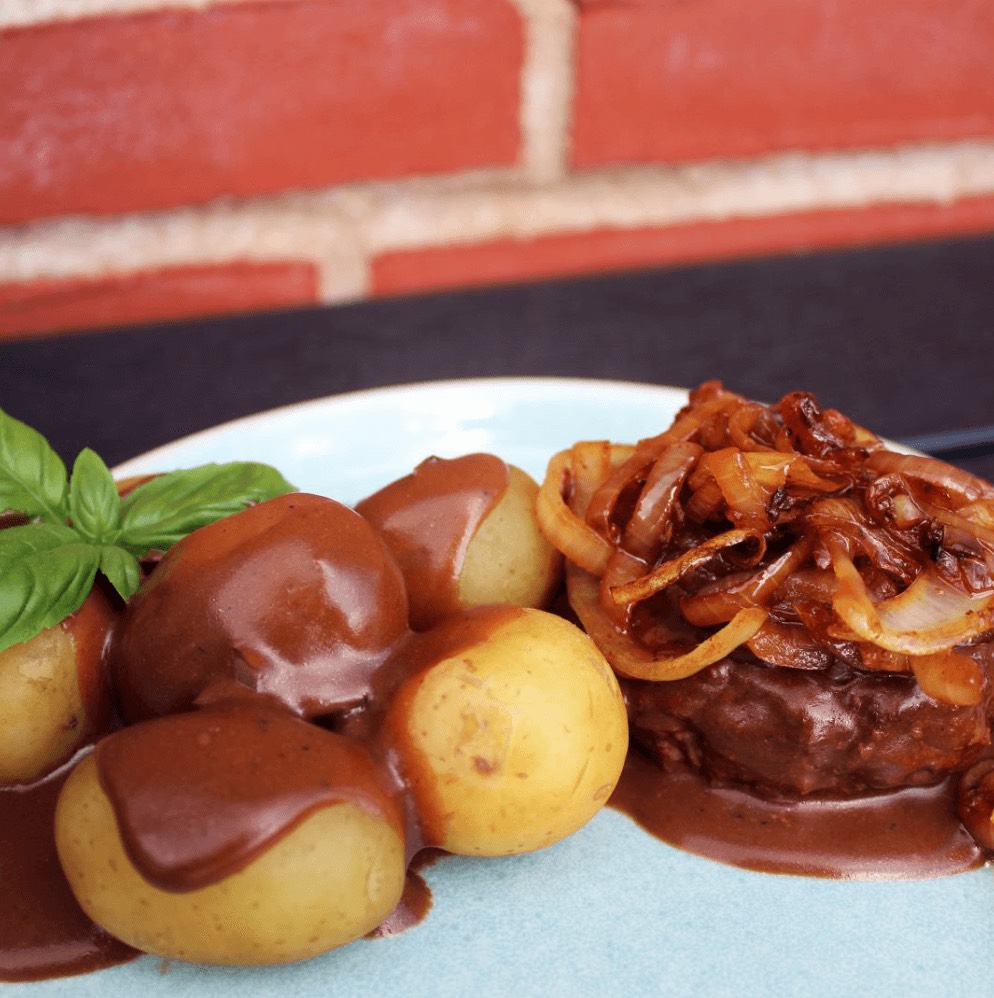
Recipe: Hakkebøf med Kartofler, bløde løg og sovs
Family’s culture: Danish
How the Soendergaard family cooks it: “It is a ground beef patty which we traditionally call ‘Hakkebøf,’ with boiled potatoes commonly eaten with most dinner meals in Denmark, caramelised onions and a traditional sauce called brunsovs. It is very tasty!”
“[It is] a traditional dish, going back all the way to the 17-18 hundreds. [I’ve] made this dish plenty of times before!”
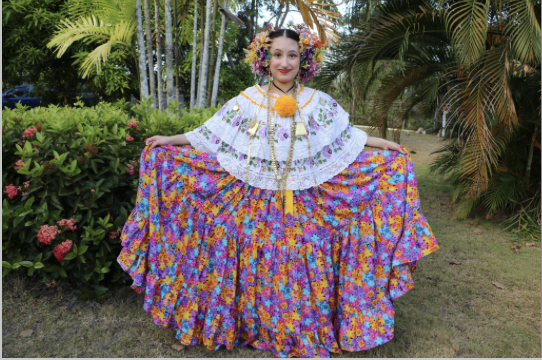
Recipe: Platano en tentación
Family’s culture: Panamanian
How the Dick-Ruíz family cooks it: “Put butter, cinnamon, and sugar on extremely ripe plantains.”
“Panamanian food is special for me because it connects me to culture and family, and it tastes delicious!”