Around 380 years ago, the first public institutions in the U.S. were decreed to any town with 50 or more families in the Massachusetts Bay Colony by the General Court, with the original intention of teaching children to learn reading at a young age. They would be funded by the taxes of local inhabitants. However, the goal to spread literacy was not supposed to be a mere educational purpose, but to impede the deception of Satan by reading the bible.
Prior, children’s parents and masters were held accountable for proficiency in reading. In 1779, 132 years later, founding father Thomas Jefferson proposed a nationwide education system, ultimately failing due to strong financial resistance. Yet, Jefferson’s vision of a nation-wide education system materialized. Horace Mann (1837) — secretary of the Massachusetts Board of Education — implemented his standardized system of Common Schools. He also contrived Normal Schools, institutions to educate teachers. His system functioned as the foundation of our modern federal education system.² Education was a public good, as it should be.
After the second world war, 16 million U.S. soldiers returned, prompting the GI bill, which gave veterans up to 500 investable dollars to college education. Institutions expanded massively.³ The system remained stable, and the tuition at most colleges was either free or of very low comparative cost up to the 1960s, keeping higher education accessible to many. However, during the 1970s, an economic downturn, stagflation, prompted changes in funding, causing states to reduce their contributions to public colleges. As a result, tuition rates began to climb. By the 1980s, annual costs had increased dramatically, rising from about $1,000 to $5,000.⁹ This sharp rise was also due to expanded amenities and improvements on many campuses, such as upgraded dormitories and lecture halls.³ As colleges invested in more modern facilities and services, students faced higher bills. The increase in tuition during these decades marked a turning point, making college less affordable and shifting more of the cost burden onto students and their families. Conversely, the European College system, which simultaneously developed, remained comparatively inexpensive.
The significant difference in university costs between Europe and the USA is intentional; higher education in Europe is designed to be accessible to students from all backgrounds.⁴ In Europe, college is considered a basic right unlike in the US, where college is a privilege reserved for the wealthy. European colleges are better overall for the average household because they are more accessible for lower class houses. One of the main ways European countries lower expenses is by making student living more affordable. For instance, the average dorm in the USA costs around $14,000 over four years, whereas in Europe, it’s only about $6,000. Transportation is also less expensive, in the USA, a bus ticket costs $1.50, but in Europe it’s just 80 cents.⁷ These efforts to reduce costs make it easier for students, especially those from less advantaged families, to attend college and succeed. Europe’s approach reflects a commitment to educational equality.
These extreme prices of attending American Universities do not necessarily make European universities superior. American Universities, more so the Ivies and similar institutions, have a universal reputation and an instantly recognizable name. Harvard and MIT are some of the most visible globally, and Harvard has the most globally recognized collegiate logo.⁵ Their name tends to offer credibility and guarantee legitimate intellectuality on a resume. The quantity of Universities that offer superior networking capability is higher in the US. Their alumni networking and recruitment from major employers, most notably finance and tech firms, provides further advantage to American Universities. Over one’s lifespan, attending elite American Universities can earn one up to a million more dollars on average.⁸
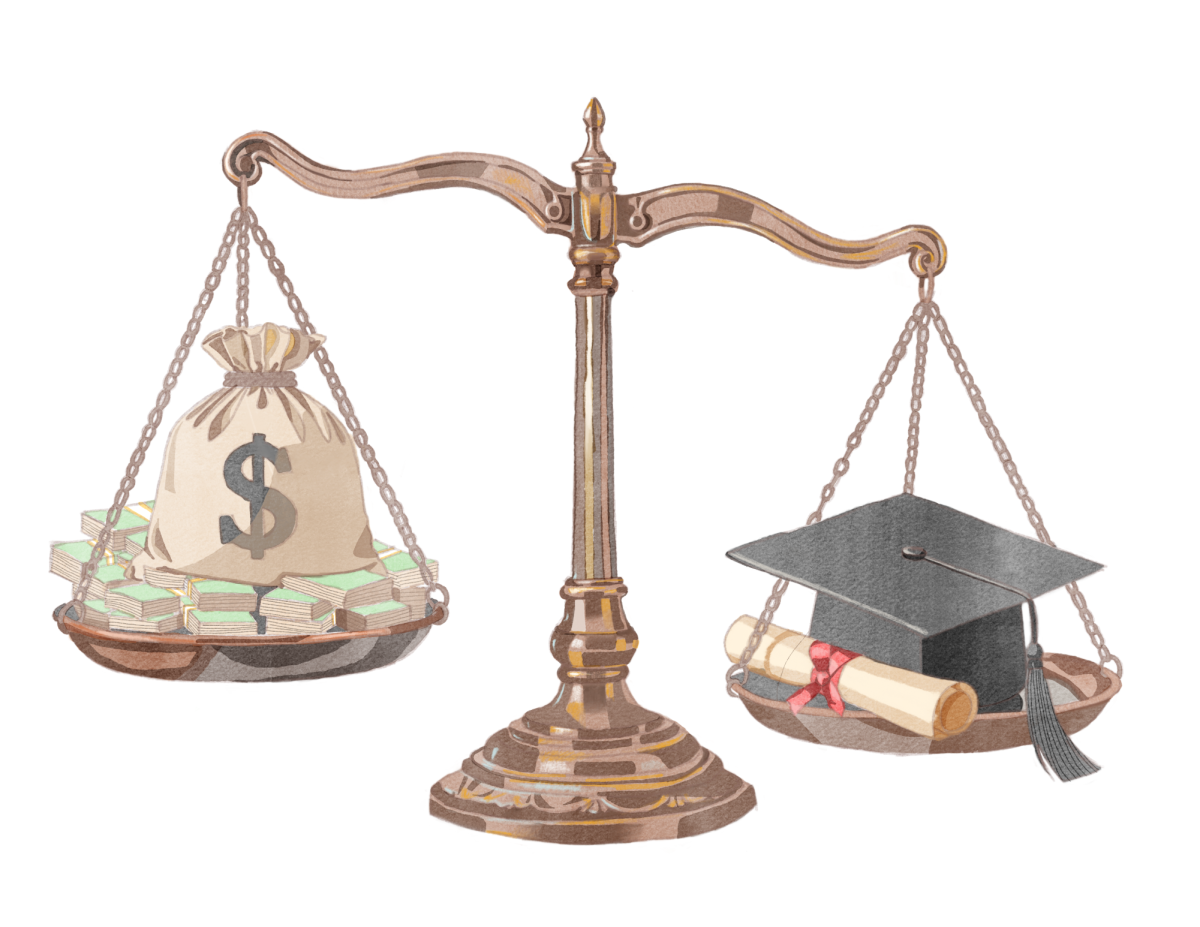
For the common person, the benefits of attending an American university shouldn’t be as incentivizing when considering the drawbacks. While European Universities rather lack pompous amenities, the subsidisation from their Governments can massively reduce cost. The sacrifice of being indebted for countless years to just potentially receive a higher salary, in a system where healthcare and other human necessities are a scarcity, is absurd when alternatives exist. However, not everyone has the opportunity to study in Europe. Still, the once glorious College system of the United States, with a now average tuition increase of 180% compared to 65 years ago, is drowning in its own capitalistic excess.⁹
¹ New England Historical Society. “The Old Deluder Satan Act.” https://newenglandhistoricalsociety.com/old-deluder-satan-act-made-sure-puritan-children-got-educated/
² ERIC Education Research Report on early American public education. https://files.eric.ed.gov/fulltext/ED606970.pdf
³ History.com. “When College Was Free in the United States.” https://www.history.com/articles/american-colleges-tuition-free
⁴ Global Business School. “Higher Education in the USA vs Europe.” https://www.global-business-school.org/content-type/blog/higher-education-usa-europe-what-choose/
⁵ Poets & Quants. “Universities with the Highest Global Visibility.” https://poetsandquantsforundergrads.com/news/the-universities-with-the-highest-global-visibility/
⁷ Schiller International University. “Why Is College in Europe Cheaper Than College in America?” https://www.schiller.edu/blog/why-is-college-in-europe-cheaper-than-college-in-america/
⁸ InGenius Prep. “The Elite Undergraduate Advantage.” https://ingeniusprep.com/journal/the-elite-undergraduate-advantage-executive-summary/
⁹ BestColleges. “College Costs Over Time.” https://www.bestcolleges.com/research/college-costs-over-time/