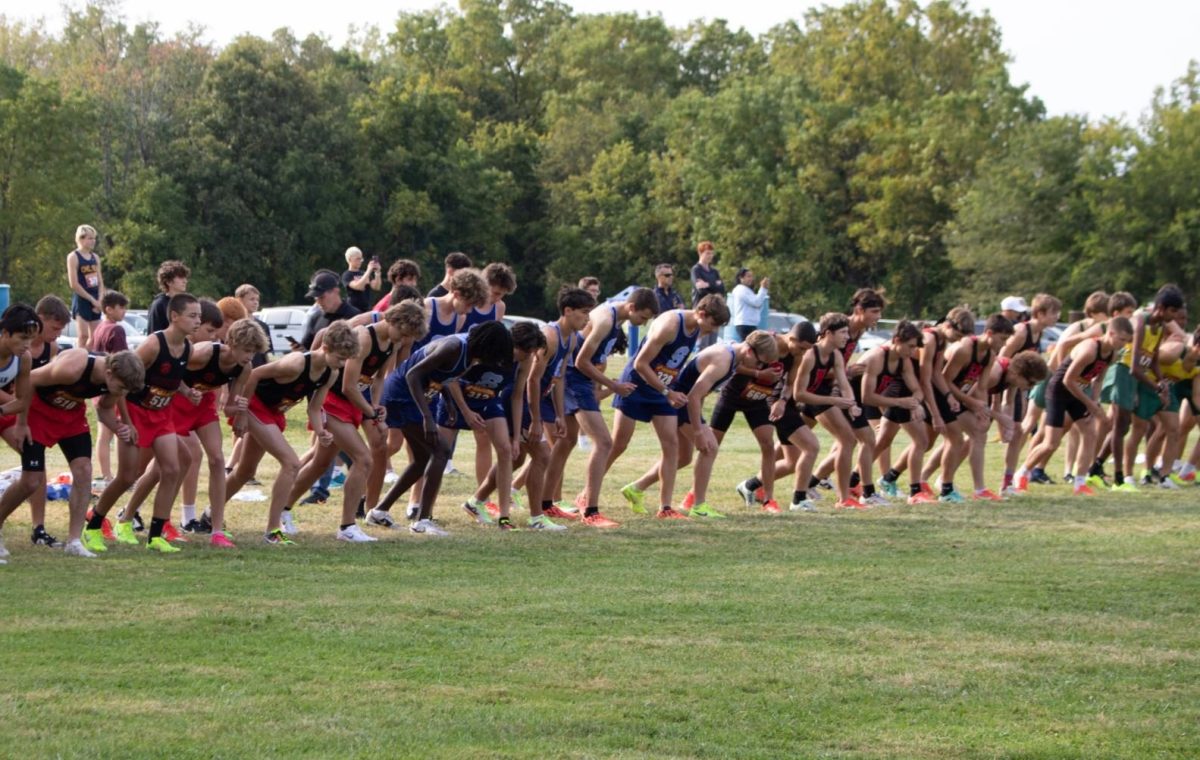
Coach Mike Kessler stood at the edge of the track, arms crossed, eyes fixed on the runners as they rounded the final curve. The late-afternoon sun beat down, heat waves rippled in the distance and sweat beaded from the brows of the runners. But nobody slowed.
For Kessler, the scene reflected what he tells his athletes every day: “Show up, put in the work. It doesn’t have to be anything spectacular — stack days, stack days, stack days, and then good stuff happens.”
That mindset — showing up, grinding through the tough days and finding connection in the process — is what defines Skyline Cross Country. For Kessler, it’s never just about winning races; it’s about building discipline and resilience that lasts long after the season ends.
Skyline’s Cross Country team, both men’s and women’s, has become an outlet for many young individuals seeking connection and physical improvement. The center of the team’s motivation lies in the hands of Kessler, who has a renowned running career.
Kessler’s passion for running has been ingrained in him since he was a kid. Whether it was the laps around the four acres he grew up on or how he walked two and a half miles each way to school, Kessler found running helped him get out and stay level. Over time, running became a crucial part of his identity and lifestyle.
“I love it,” Kessler said. “I like the science of it, the culture of it and the people who are involved with it.”
Kessler enjoys coaching for a number of reasons. He loves connecting with people and helping them become a better version of themselves. On top of that, he enjoys the complexity of coaching and all the elements he must perfect to help his team improve.
“I like manipulating the variables, trying to get them to perform the best as possible,” Kessler said. “The mental, the technical, the physical, getting the balance, you do one thing, and it comes at a cost. So it’s always like a big puzzle. It’s a good thing. You’re moving. You’re on the go. There’s always a challenge.”
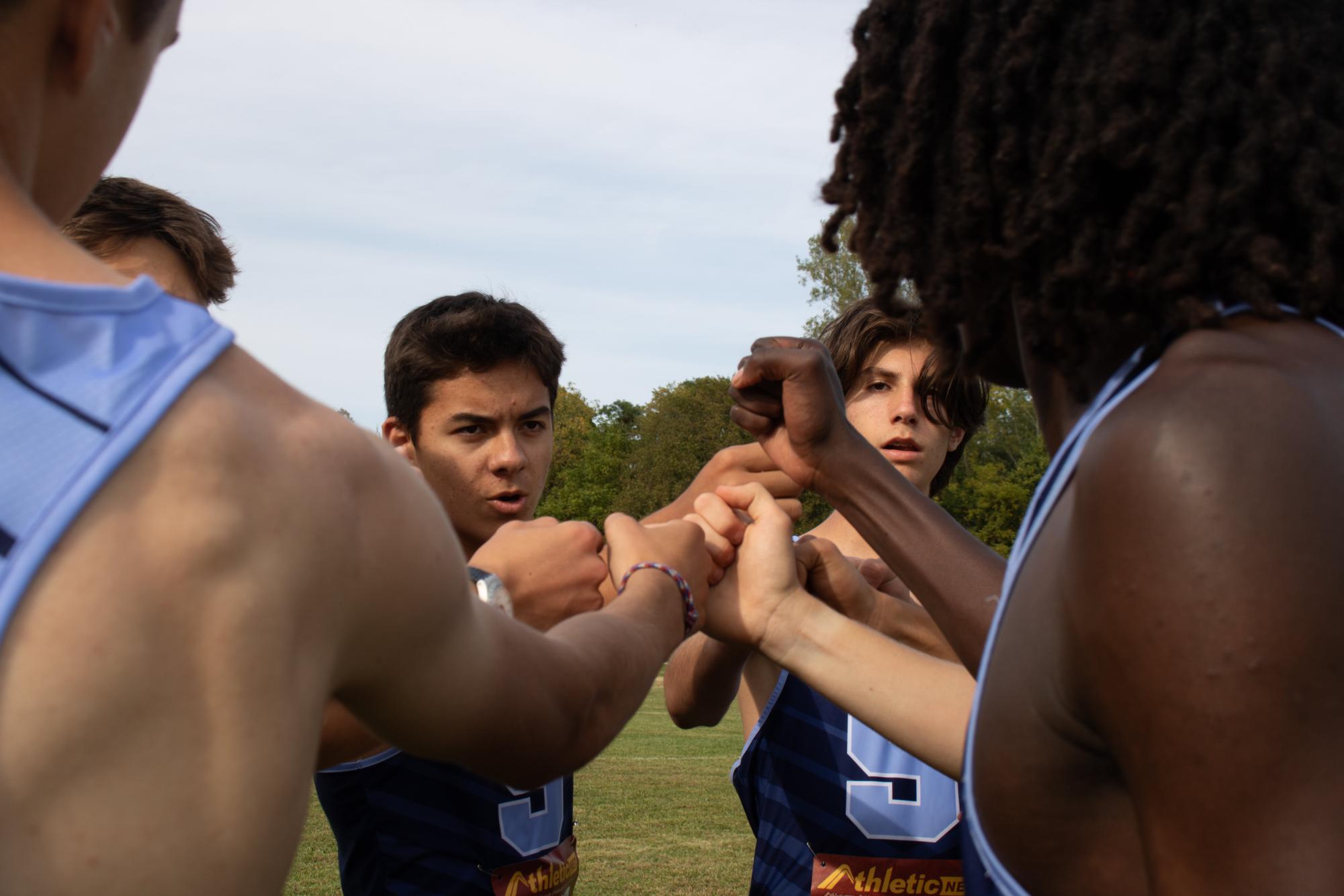
In order to make the pieces of the puzzle fit, Kessler prioritizes perseverance and the grind. He wants his runners to have the mentality of showing up and getting it done, creating a strong habit of discipline and work ethic. Kessler makes it clear that he doesn’t just prioritize racing times.
“That’s how I measure it: engagement, intention and learning to dial your intensity,” Kessler said. “Staying engaged, keeping a good attitude, viewing it as a challenge or a puzzle that has to be solved and not as an obstacle that makes your life miserable. Even if you are the best, you don’t stay there that long. So it’s the engagement, staying with it, challenging yourself and trying to improve.”
Kessler not only wants the team to stay engaged and improve, but wants them to find connection in the process. The wide range of individuals who join the team no longer surprises Kessler; rather, it’s part of the team culture. Kessler calls this mismatch of individuals the “misfit toys,” relating the team’s fusion of diverse individuals to the Christmas classic “Rudolph & The Island of the Misfit Toys.”
“The friendships on the team don’t surprise me as much anymore because they’re a very accepting, tolerant, engaging group,” Kessler said. “We get the goofballs, the weirdos, the others. The only common thing is that you have to engage in the grind. ”
Kessler expresses how running has the power to create strong, lifelong relationships. It’s a culture that brings people from all different backgrounds and gives them a common ground to connect.
“I’m still seeing people from 40 years ago when I went to high school with my other buddies,” Kessler said. “They sent me a picture from 1993, from a race we did then.”
Without running, Kessler’s life would be completely different: It’s how he met his wife and how he bases his life. Running doesn’t always guarantee a connection, though. When conflicts arise, Kessler shares his natural approach.
“You’re never gonna get through unscathed without conflict, so I don’t really want to solve them for you,” Kessler said. “I’ll help you navigate and give you the tools to get through. Learn to communicate, and learn to say what’s on your mind, even if it feels hard or you choke up or you tear up. Learn to listen and understand other people’s perspectives.”
Kessler’s impressive athletic expertise extends beyond just running: he coached rock climbing for several years. Gus Finn, originally a climber and a four-year Skyline track and cross country runner, joined the team to diversify his athletics.
“What made me especially made me join in high school was that I was doing rock climbing, and the same coach was coaching cross country,” Finn said.
His start may have been rocky, but with his consistent training schedule, Finn has made serious jumps in his fitness.
“When I was a freshman, I was not very good,” Finn said. “I’m still working on improving now, too, but I think I’ve made probably about five minutes of improvement in the 5K, so I think that’s fairly significant.”
With his age and race times acting as a benchmark to push himself and excel in races and training, Finn’s improvement is a stellar indication of the hard work he has put in since his freshman year. Becoming a senior has also given Finn more opportunities to work on his part as a leader and role model in the team’s culture.
“Checking in one-on-one is always good too if your guys are in different races,” Finn said. “When I finish my race and there’s boys finishing behind me, I try to walk over and cheer them on.”
Finn is just one of around 80 runners coached by the Skyline staff every week. Another runner, 5K school record holder Becca Van Lent, shares her experience in Skyline Cross Country.
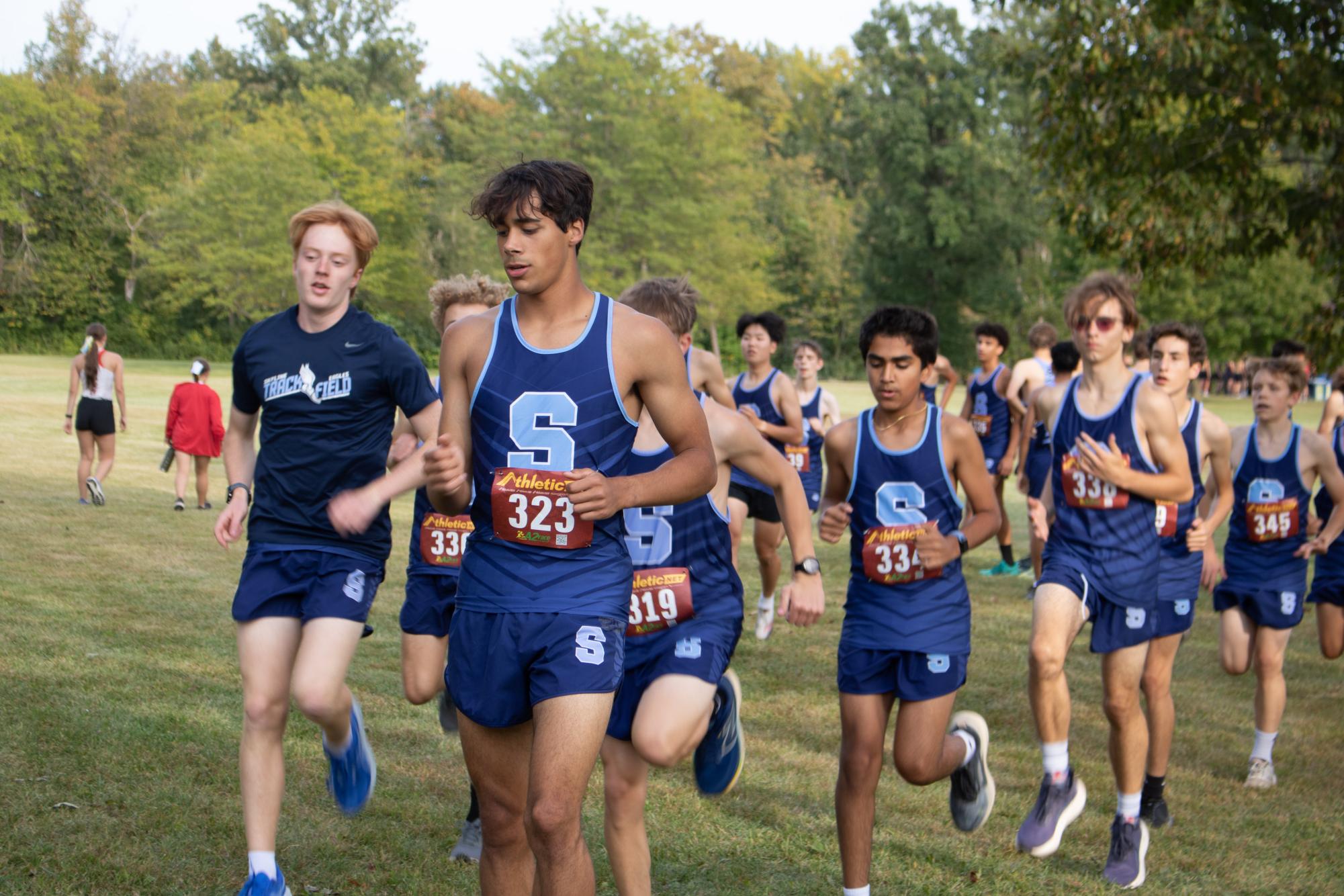
“It’s taught me that I’m capable more than I think I am, and I can do anything if I put my mind to it,” Van Lent said.
Van Lent knows the struggles of starting as a freshman on the team, but also how fulfilling it can be throughout time.
“You should definitely come and give it [cross country] a try,” van Lent said. “Everyone’s really friendly, and it might be really hard, but you can do it.”
In the end, Kessler’s approach goes beyond coaching a sport — it’s about shaping people. By teaching his athletes to embrace the grind, stay consistent and support one another, he’s preparing them for more than races. He’s giving them tools they can carry for the rest of their lives: resilience in tough moments, patience when progress is slow and the confidence that comes from knowing hard work pays off. For Kessler, those lessons will always mean more than any medal.
To him, talent alone is never enough — progress comes from showing up every day, putting in the work and embracing challenges as opportunities to grow. He stresses that running isn’t just about chasing fast times, but about building character, resilience and a mindset that carries far beyond the course.
He emphasizes that these lessons aren’t limited to the track. Athletes learn to tackle obstacles as puzzles to solve, stay engaged even when progress feels slow and support one another while pushing themselves. To Kessler, this combination of perseverance, patience and teamwork is what truly prepares his athletes for life, not just cross country.