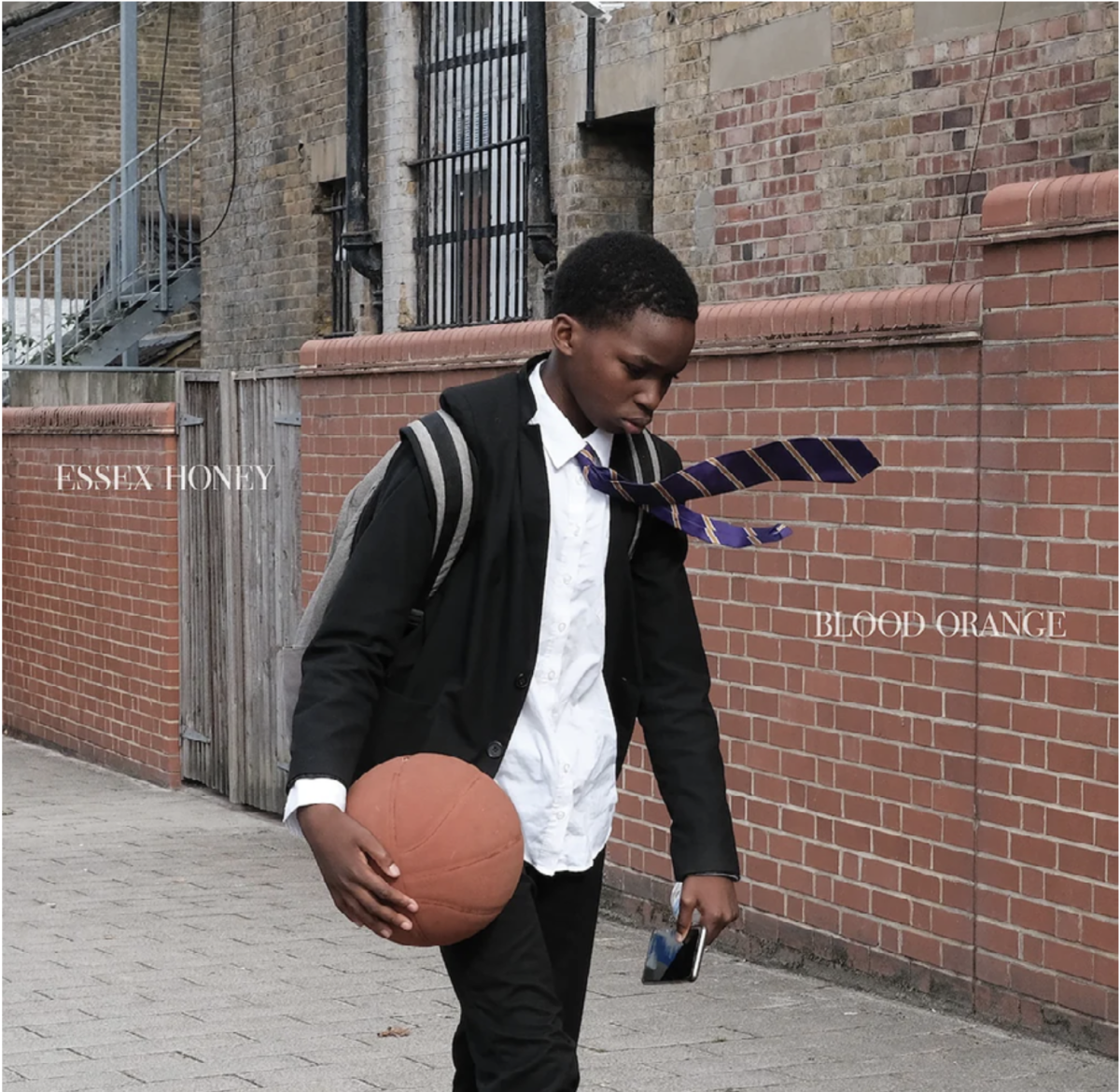
“Essex Honey” by Blood Orange
14 songs • 46 mins
Devonté Hynes returns under his Blood Orange moniker with “Essex Honey,” an elegiac fifth full-length that covers the topics of grief and memory. Built in the aftermath of his mother’s passing, the record pulls double duty: as a personal mourning and as an elegy for the places and sounds that shaped his coming-of-age.
Musically, “Essex Honey” is about subtlety. Hynes folds together muted chords, breathy falsetto, cello, woodwinds and field recordings into arrangements that shift unexpectedly. Gentle moments drop out into cello codas, bursts of ambient sounds or references to Hynes’ formative influences (Elliott Smith, The Durutti Column, The Replacements) that feel like a companion to each track.
The guest features, including Lorde, Caroline Polachek, Mustafa and Zadie Smith, add color to the songs, offering incredible atmospheric touches rather than star turns. That restraint, yet commonality of guest musicians, tends to be a reoccurring aspect of Blood Orange’s discography. It’s not easy listening, but it’s a deeply humane project. The high points (e.g., “Mind Loaded,” “Life,” “Westerberg”) are devastating at times, catching loss within repetitions that return like intrusive thoughts.
If there is any criticism, it might be that some of the transitions feel so delicate that, at times, the album drifts into ambient indistinctness, sometimes mistaking atmosphere for substance. Occasionally, the restraint draws into something more akin to sketches, never fully fleshed out pieces. It’s powerful in flashes but eventually becomes too vaporous to hold onto. For longtime Blood Orange listeners, it may feel as if Hynes is circling familiar territory without breaking new ground. “Essex Honey” is undeniably moving, but its volume risks blurring into the background. So subtle it nearly disappears.
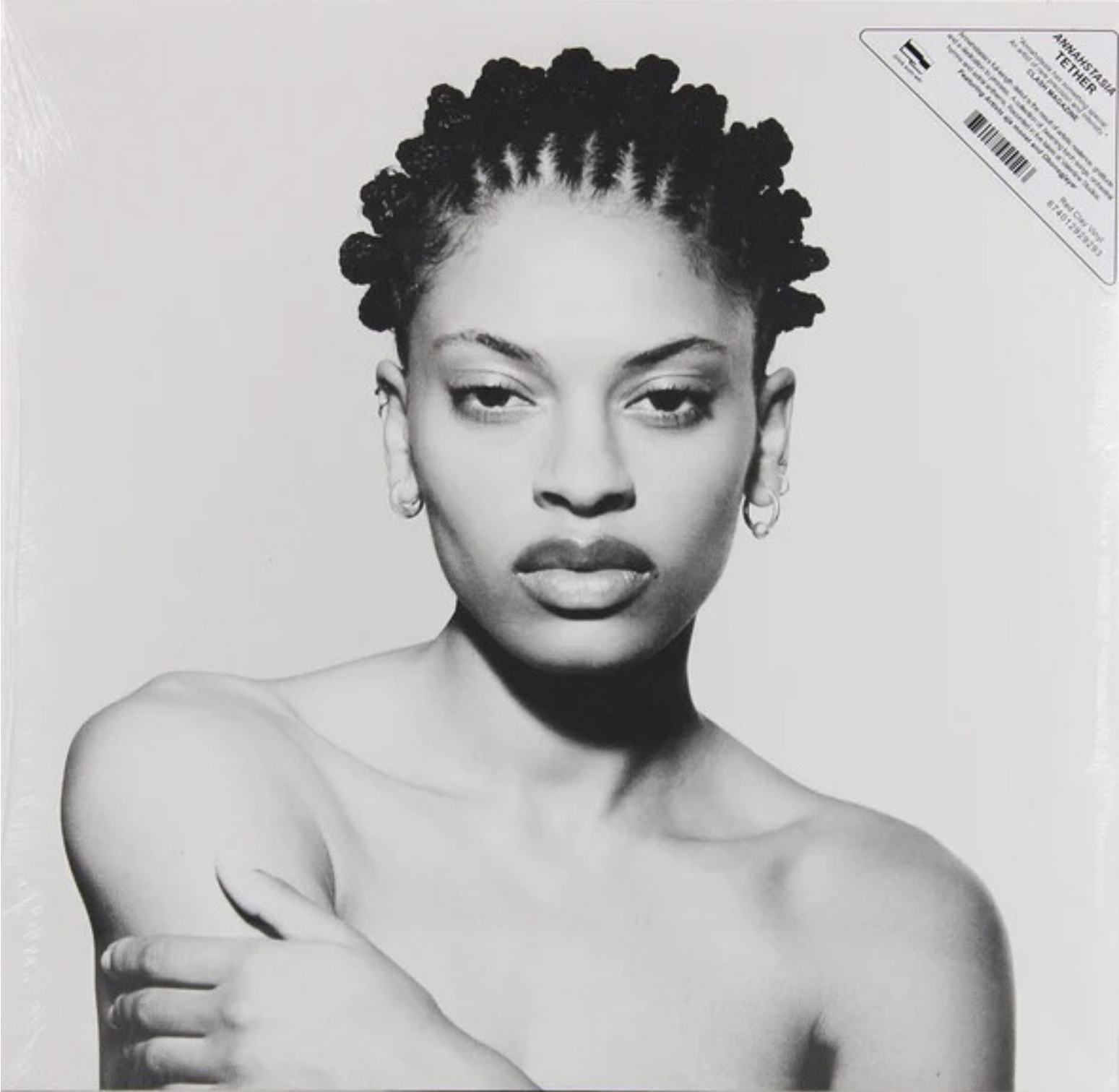
“Tether” by Annahstasia
11 songs • 43 mins
With her debut full-length album “Tether,” Annahstasia Enuke stames out a space all her own, blending folk and chamber pop into songs that feel intimately captivating. The album is a reclamation, stripping away that standard polished sound of pop and R&B that she once felt pressured into.
Her voice carries the album, warm, resonant and husky especially in the lower register. She uses it like a maestro would. Sometimes barely a breath, occasionally full-throated, but always alive. The production team (Andrew Lappin, Jason Lader, Aaron Liao) mostly resists big drums or bombast: arrangements grow slowly, gently, allowing silence and space to be part of the song’s dynamics. Guitars, pianos, mellotron, strings and occasional woodwinds swell, recede, return.
Lyrically, “Tether” does the delicate work of exploring relational tension, longing, fear and hope. Tracks like “Take Care of Me” teeter on vulnerability, “Unrest” reveals how emotional calm can mask unease and the closer “Believer” gathers the album’s emotional threads in a cathartic, sweeping finale.
What’s striking is how the album balances restraint and eruption: many moments require leaning in and listening close, then the larger ensemble or layered vocals elevate what could have been a private sorrow into something shared. There’s politics in that move, too, asking to be seen, heard and imperfect, not optimizing grief, love or longing.
If “Tether” has a shortcoming, it might be its pacing because many of the songs are drawn out and emotionally dense; listener patience is required. But the reward is real. This is a confident debut, rich with texture, voice and meaning. It suggests Annahstasia is someone whose future albums will be deeply awaited.
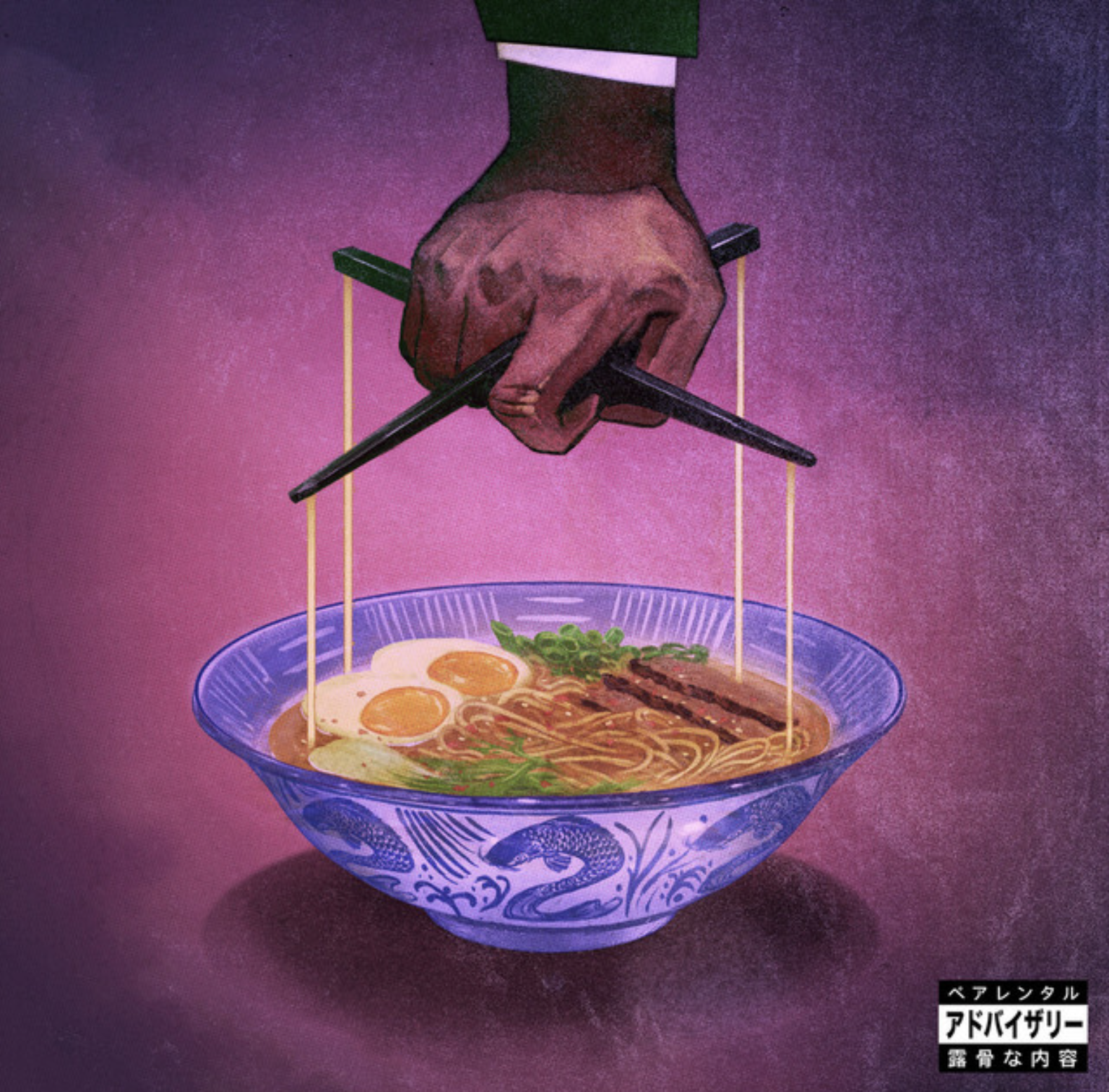
“Alfredo 2” by Freddie Gibbs & The Alchemist
14 songs • ·47 mins
“Alfredo 2” picks up five years after the original “Alfredo.” While the chemistry between Freddie Gibbs and The Alchemist remains intact, this sequel is both a triumph and a reminder of the things that make their partnership potent but sometimes also predictable.
From the production side, The Alchemist leans into jazz-fusion textures, cinematic spaces and soulful samples, all while constructing beats that support but often contrast Gibbs’ lyricism. Some tracks drift, others hit hard. Gibbs himself is more animated here than might have been expected, especially in “Lemon Pepper Steppers,” where he toggles pace and flow, asserting his technical chops.
Lyrically, the album lives in the tension between bravado and weariness. Gibbs still delivers narratives, the punchlines and the feuds, but also reveals fissures: morality, regret, longing. Tracks like “Ensalada” (With Anderson Paak) show a softer side without undercutting the hardness, while songs like “Skinny Suge II” and “Mar-a-Lago” return to aggression and grit.
However, this album is not without its lulls. Some mid-section tracks lean too comfortably into the expected Gibbs formula, a few hooks don’t land memorably, and there were moments where the pacing lags. The veneer of “sequel” weight sometimes shows as if the bar set by the initial “Alfredo” looms large, constraining surprise.
Still, what “Alfredo 2” achieves is more than a safe continuation. It refines the previously established formula with more dynamic shifts, more emotional stakes and sharper guest features. For fans of Gibbs and The Alchemist, this album delivers both the familiar strengths and enough evolution to hold interest. “Alfredo 2” is an excellent album from two masters still in their prime.