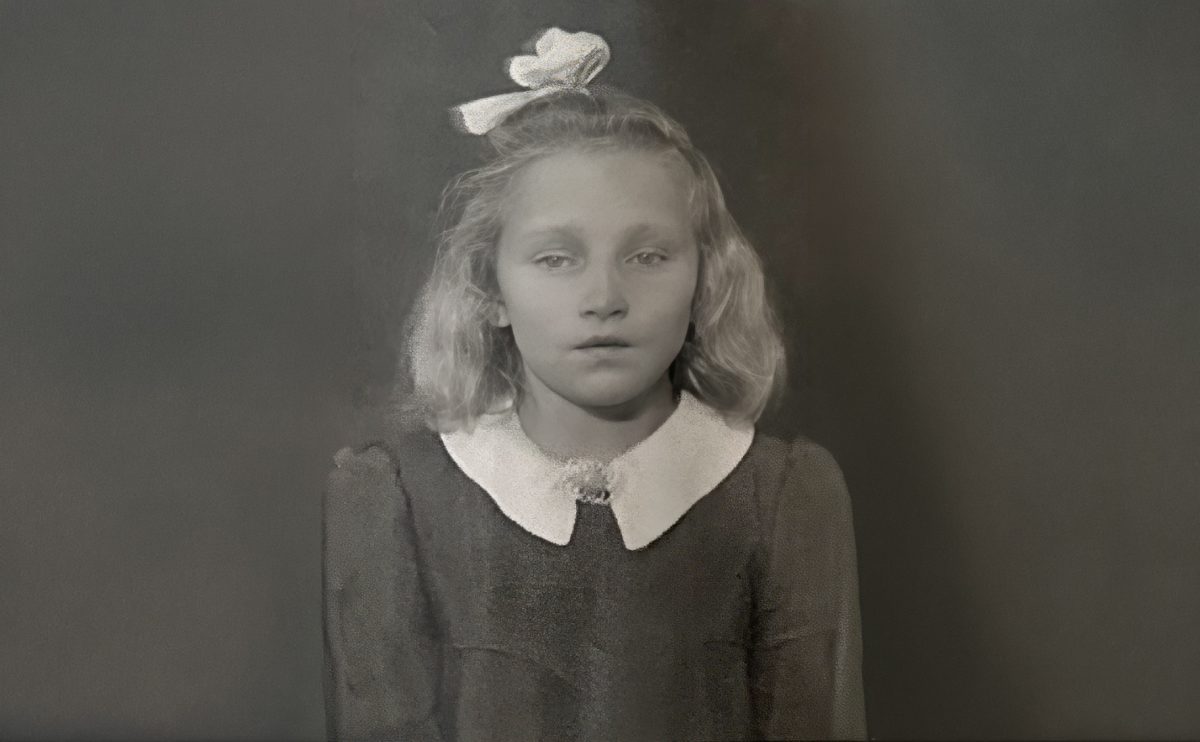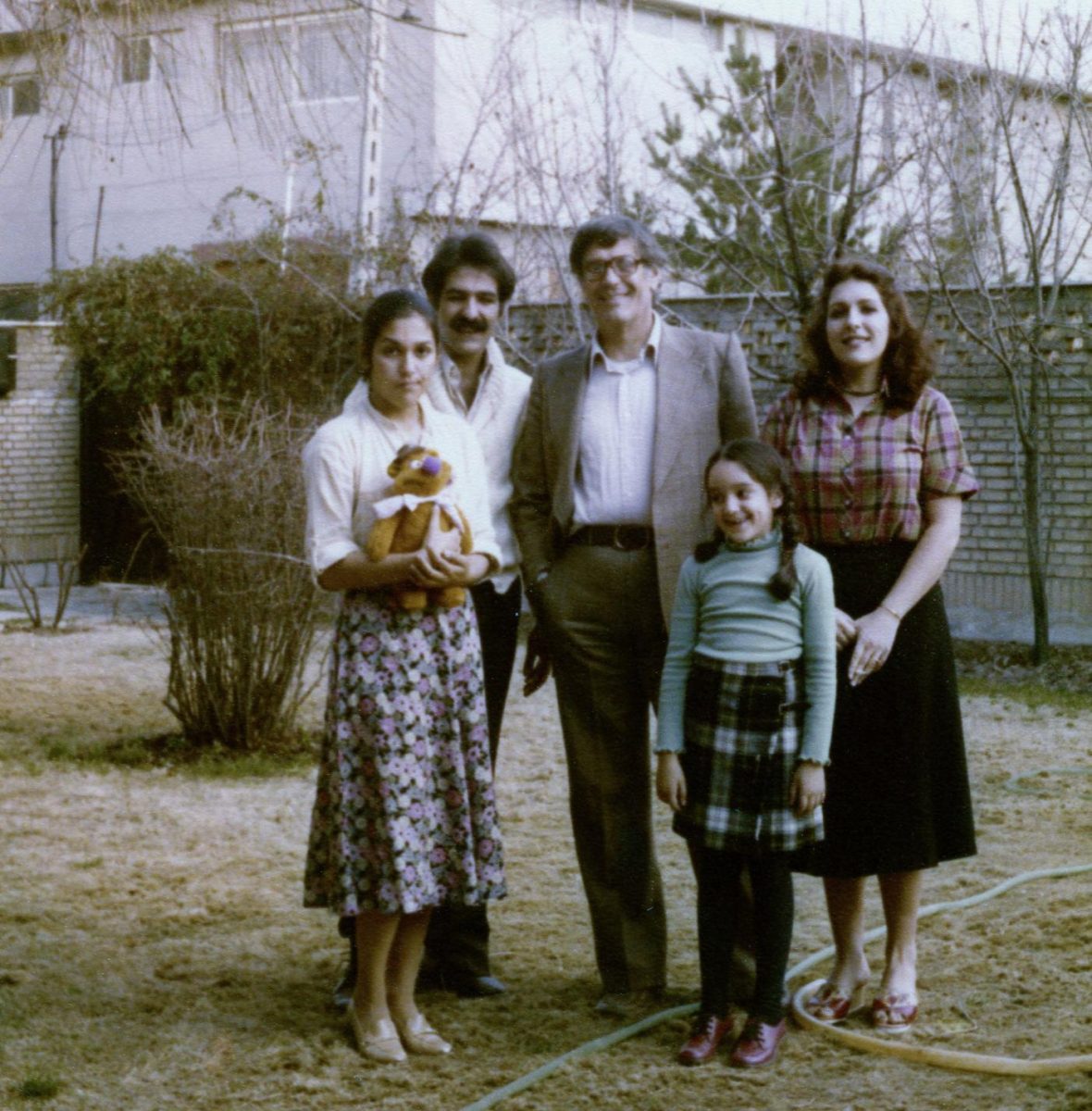
By the time Roya Massoudi was six years old, she could walk the streets of Tehran, Iran, alone. And not because they were safe, but because they were communal. Massoudi was always protected in her neighborhood; people supported each other as a small part of the millions that lived in Tehran. There was a grocery store right below Massoudi’s home where the workers would give her books to read and bubble gum to chew on.
Massoudi’s childhood in Iran looks unrecognizable to the country today. There were parks to play at, books to read in the library and a home that was constantly filled with noise and conversation. Conversation about political beliefs was always encouraged and never shamed in the Massoudi home. Freedom, at the time, felt ordinary.
Women could wear what they wanted, go-go boots, swimsuits and mini skirts, and political opinions were talked about; no one forced belief and no one enforced silence. But Massoudi’s home wasn’t the entire country. Massoudi began to notice the cracks in the openness of her life; under the power of Mohammad Reza Pahlavi, the last Shah of Iran, arrests were common for people who voiced beliefs against the government. One of Massoudi’s brothers was arrested for refusing to play the violin for the Shah. Political dissent existed, but there were consequences.
Even as a kid, Massoudi noticed issues with this regime.
“I kept wondering,” Massoudi said. “Why don’t we have enough freedom? Why can’t I speak my mind freely? Why do I have to hide the books that we read? Why do we have to make sure the secret police are not listening?”
When Massoudi turned 13, everything began to shift. The revolution against the Shah began in 1978. Protests began in the streets, there were walkouts at her school, and Massoudi attended. They chanted for freedom as they marched through the streets.
“I remember walking down the street with a group of other people, and somebody screamed, ‘They’re coming, they’re coming,’” Massoudi said. “They were shooting their guns in the air. I was so scared. I’d never seen anything like that.”
She ran from the shooting and found shelter in an older woman’s home, where she took care of her while the violence unfolded in the streets behind her. The next morning she awoke to massacring in the streets where the army opened fire on demonstrators.
“So that’s what I woke up to,” Massoudi said. “Why are they doing this? We don’t understand why they are doing this.”
The Shah fled Iran in 1979, and Ruhollah Khomeini rose to power. At first the differences were subtle, but about six months after the revolution, the government began putting religious laws in place. Women could no longer show their hair. Massoudi had spent her entire life free of these restrictions. Even her mother never covered her hair. They were moving backwards.
“I didn’t know how to put a scarf on,” Massoudi said.
Massoudi protested again. But not against the monarchy, this time against the oppressive regime that replaced it, but these protests were not what Massoudi expected. There were groups of men on motorcycles with knives and chains. They were violent and targeted and people were beaten, killed and often disappeared.
By 16, Massoudi was organizing protests, handing out pamphlets and staging walkouts with her school. Her parents worried about her, so she hid her activism from them, aware of the consequences.
Massoudi attended one demonstration, far from her home. She scavenged a couple dollars and grabbed a few friends, and she told her parents she was going to a birthday party. She got on a bus and went to the protest. The protest quickly became violent, with police opening fire. Massoudi recalls standing shoulder to shoulder with her friends when a guard ran in and stabbed a woman standing near her. Frozen with fear, she grabbed her friend’s hand and ran.
Gunfire erupted in the streets as Massoudi ran to a nearby open garage to hide. Inside, people were injured, bleeding and crying. Massoudi knew the police would come, and she urged others to move up to the rooftop, but no one would listen to a 16-year-old girl.
Just moments later they could hear the police outside; everyone ran to hide, but Massoudi didn’t know where to go. She jumped into a metal basket full of hay right in front of the door. The commander of the Revolutionary Guard entered and immediately noticed her. She had nowhere to go, so she climbed from the metal box and faced him. He looked her in the eyes and hit her across the face with a ringed hand. She dropped her head in her hands as her head rang, and the guard became distracted by others in the room and moved away.
Massoudi used this distraction to attempt an escape. She slipped through a small opening and tried to walk away calmly, but she was spotted by authorities. She broke into a run, but there were too many; she was restrained and forced into a car. Inside the car, fear set in. At the time, arrests like this often ended without trial; people were killed or never found. Minutes later, her friend and several other girls were also captured and thrown into the car.
“So they take us to a police station, and they take us to this courtyard, and then they tell us to sit on our knees, facing the wall,” Massoudi said. “We’re thinking, that’s it. They’re gonna shoot us in the back of the head.”
They are left there in silence for about half an hour until they are relocated to a new detention center. There were hundreds of girls in the center, punished for disagreeing with the government; one girl, Massoudi recalls, spoke up against the guards and was never seen again.
Later, the detainees were told to sign papers with their names and addresses, apologizing and promising never to protest again. Massoudi gave a fake name and address, hoping it would keep her safe.
By the time they were released, it was around midnight.
Back home, her family had spent hours searching for her, checking police stations, hospitals and morgues. They thought she was dead, and at the time she easily could have been. With no money and no direction, Massoudi and her friends hitchhiked home, getting into the backs of trucks with complete strangers. She arrived at her home at 1:00 a.m. to see every light in the house. Her family was furious.
“I was so scared of my dad,” Massoudi said. “I thought he was gonna kill me. If the government didn’t kill me, he was gonna kill me.”
Massoudi had survived the protest, the arrest and the uncertainty of death—but at that moment, she was still terrified.
One day, after Massoudi had graduated high school, the Revolutionary Guard showed up at their doorstep. She was arrested on the spot. They then searched their house, taking everything they had: books, albums, anything that might suggest a leftist view. Massoudi was then taken to the house of the minister of oil, which had been taken over by the revolutionary guard. She was confused; she had no idea why she had been taken here. It turned out she gave shelter to a friend because she couldn’t stay in her house and a spy turned her in.
Massoudi spent eight days in that prison. She could hear people being tortured, screaming, being thrown down the stairs.
“It was a nightmare,” Massoudi said. “So the second day, I decided they’re gonna kill me, so I’m gonna stop eating. That way I have control of myself.”
They tried to force Massoudi to eat but she wouldn’t budge. She hunger struck for seven days straight. Finally on the eighth day she was released thanks to her fathers friend who had a connection with the government. Massoudi remembers the day she left she walked past what she called ‘the crows’ who wore all black and sided with the government. They told Massoudi that her two friends, Farah and Aza had been executed, and laughed in her face.
“That was when I thought, if I stay in this country, I’m gonna die, because I can’t be silent about what they’re doing,” Massoudi said.
Massoudi was given no choice; she was stripped of the opportunity of education in Iran because of her history with the government. If she wanted freedom, she would have to leave. It took two years to get her visa, and when she did, she came to Michigan to live with her sister. Adjusting to the language barrier and cultural differences wasn’t easy, but it was freedom.
Today, Massoudi hopes that the government of Iran undergoes radical change. She doesn’t want war, she knows that harm will come and people will be killed, but she also believes that the people in power are not making decisions for the good of the country.
“They have depleted Iran out of everything it has,” Massoudi said. “Out of its dignity, out of its pride, out of money, out of oil, ores, you name it.”
The future of Iran is uncertain, but she knows that if people use their voices and educate themselves about what is happening in their local communities, then change can be made.
“Be a voice for people who have no voice,” Massoudi said. “That’s what I thought I was doing. Your voice matters. Your ideas matter, but being forceful doesn’t change people’s minds.”
Massoudi believes that education and compassion are the most important parts of a community; she believes it is important to understand issues beyond how they affect you. There was once a time when Massoudi’s voice was something she risked her life to use, and now she uses it not only for herself but also for everyone who never got a chance to speak at all.