Mindfulness isn’t always about sitting still or closing your eyes for a meditation session. Finding calm doesn’t always mean stopping everything. Sometimes, it’s about movement — the kind that makes your lungs burn and your heart beat faster. Whether it’s taking a walk, pedaling down a quiet street or stretching in yoga class, moving your body can help to quiet the whirlpool of thoughts.
For CHS senior Ivy Miller, movement has become both a physical and mental anchor. Miller attends a gym and lifts twice a week. Miller loves who she works out with, and at the gym, they focus on small-group strength training, where the workouts change every month. She has been lifting for nearly six months and has noticed a transformation that goes beyond her physical strength.
“I think maybe the most notable thing is that my juvenile arthritis is in remission,” Miller said. “Doing the lifting really helps with range of motion.”
According to the Cleveland Clinic, juvenile arthritis is the most common arthritis affecting children and teens. It is an autoimmune disease that causes a build-up of fluid which leads to swelling, joint stiffness and pain. In the United States juvenile arthritis affects every one in 1,000 youth, about 300,000 total. The goal of treatments for juvenile arthritis are to reduce pain and stiffness. Possible ways of treatment, according to John Hopkins Medicine, include physical therapy, exercising regularly and learning how to use large joints instead of small ones for activities. Miller’s regular workout routine maintains—if not increases—her muscle strength and range of motion, fighting the restricting fluid buildup.
Attending the gym helps Miller with her concentration and mindfulness.
“When you’re lifting, the only thing you can think about is what you’re doing with the weights, because otherwise, you could get seriously injured,” Miller said.
“It’s great because then you can’t worry about other things going on in your life. You just have to be present and focus on what you’re doing.”
Movement like this can become a pattern to focus on and familiarize yourself with, almost something rhythmic. Clearing the mind by demanding focus on one task at a time.
“It’s very therapeutic,” Miller said. “Throwing heavy stuff around — it’s pretty great.”
In addition to strength training, Miller finds calm in yoga, which she takes as a class with A2 Virtual. A2 Virtual yoga has mindfulness assignments every week, with mindful breathing worked into them.
Mindfulness doesn’t have to happen in the gym or a class. It can come from something as simple as stepping outside for a walk. Taking a lap around the neighborhood or through a park while listening to something you love, such as music, a podcast or even just the nature around you, could slow thoughts down.
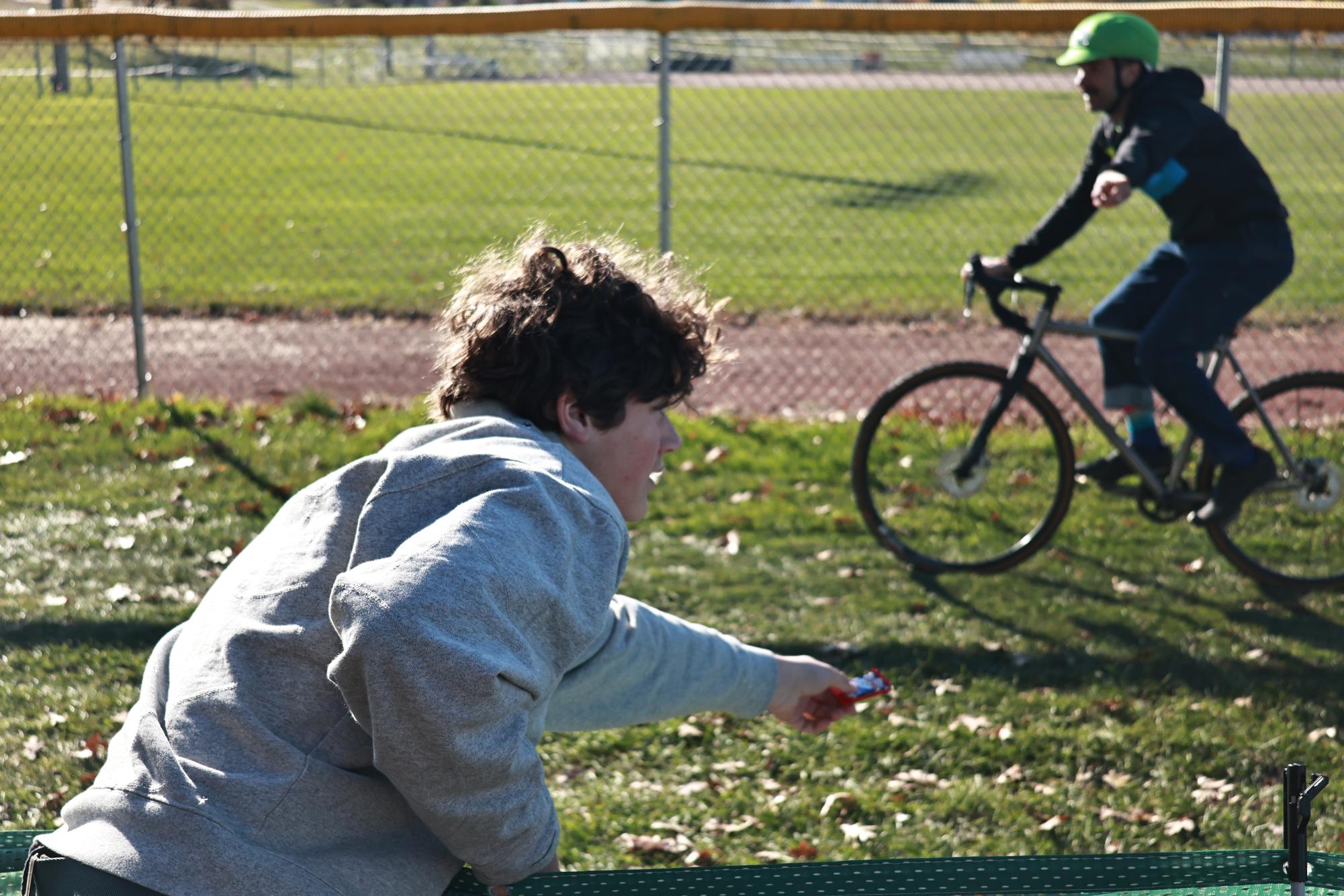
Biking is one way to encourage mindfulness. The steady rhythm of pedaling and the wind brushing against your face can bring your attention back to your body and breath. Even a short ride around the block can make a difference.
According to the Cleveland Clinic, being outside for just 15 minutes will boost your dopamine and serotonin levels, which they call “feel good chemicals”. Exposing yourself to natural sunlight increases your Vitamin D intake. Overall, being outside and feeling grounded in your surroundings can positively impact not just your physical health, but mental health.
Mindfulness through movement doesn’t require special training or a specific sport. It’s about tuning in rather than tuning out: feeling your body move, breathing deeply, and giving your mind room to slow down. Peace doesn’t always come from stillness. Sometimes, it comes from simply moving through the world with awareness.