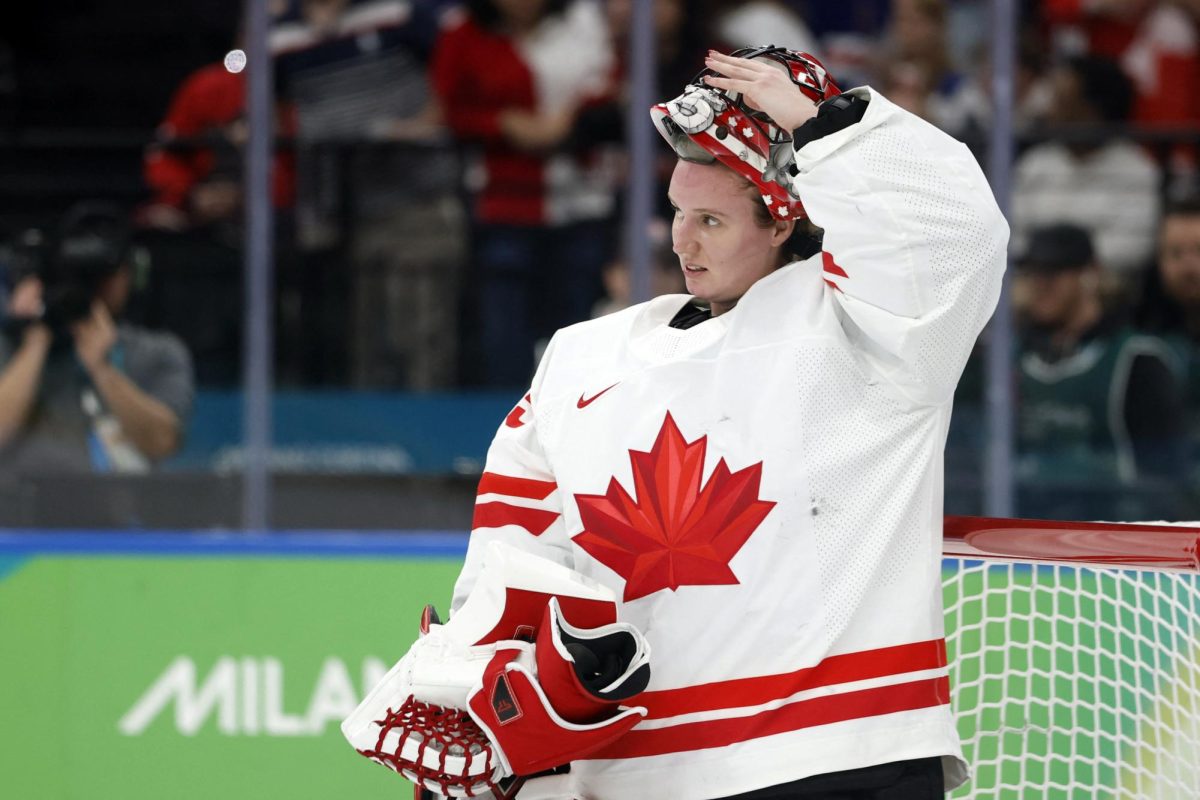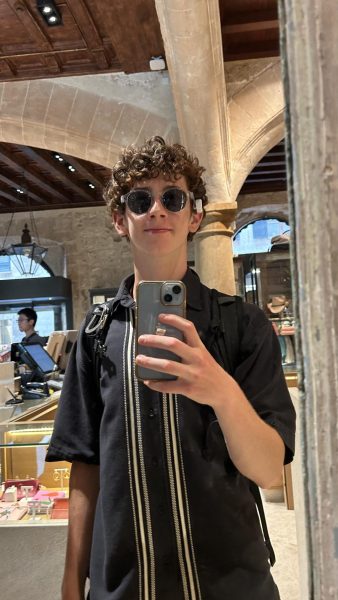
When I first started playing tennis at around age nine, it was solely an activity to fill my schedule and get exercise during the summer. I did not fall in love when I first picked up a racquet, though I continued playing. As I grew older, people around me started to take sports more seriously, and I felt a subconscious pressure to “find my sport.” I had played soccer, basketball and lacrosse, and even though I enjoyed some of them, I was the best at tennis simply because it was the sport I had consistently played the longest.
This pressure to “find my sport” and the fact that I was best at tennis are largely why I started playing year-round and slowly let the other sports fall to the side. I wanted to be great at something, and I am not sure if I even cared what that “something” was. It feels like a part of American society, where we are told that being great is the way to be a good person, and that showing expertise — whether in sports, work or school — is how you prove yourself.
It’s as if you are always expected to be working towards some kind of accomplishment: winning a competition, getting a job, earning a certain salary. This is instilled in us from a young age. If you get good grades or excel at a sport, you will get into a competitive college, have a successful career, make more money and, in the end, become a better person who has lived a fulfilling life. But what does having a better life look like, and why does being successful have to be directly correlated to having a “good” and meaningful life? There’s something unhealthy about it, yet it’s hard to break away from. We should live life seeking purpose through relationships, practices and activities that bring joy, fulfillment and help improve the world.
I am now trying to search for things that bring me actual joy. I still play tennis competitively, but I have recently picked up rock climbing. One Friday, during my sophomore year of high school, I decided to go to Planet Rock with some new friends as part of the climbing club. I was bad and felt awkward on the wall at first, though there was something that I really liked about it. In many ways, it was the perfect thing — a way to exercise, which I enjoy and value, and a way to be social and spend time with my friends. Over time, I got a membership, bought climbing shoes and found myself spending more time at Planet Rock.
When I climb, I still set goals for myself and want to improve, but that isn’t the reason I started or the reason I continue, which felt different, in a good way, from other things I have started and continue to do, like tennis. Rock climbing gives me a sense of fulfillment because it makes me feel strong and healthy. It is something I do because I enjoy it, not because I am good at it. The goals I set — climbing a V6 or doing 15 pull-ups — aren’t about making people look at me as a better person. I set them because I want to, not because it’s expected.
My story is not uncommon, and psychologists have terms for what I was experiencing: intrinsic and extrinsic motivation. Intrinsic motivation means doing something because you enjoy it, find it meaningful or feel satisfied by the activity itself. Extrinsic motivation means doing something because of outside rewards or pressures. Research from Simply Psychology shows that intrinsic motivation can help build long-term engagement and often satisfies underlying human psychological needs like autonomy, competence and relatedness.
Amy Salvatore, a school psychologist at CHS, agrees.
“If something is meaningful to you, you’ll get more satisfaction out of it personally, rather than just seeking approval or awards,” Salvatore said. “It’s more important to seek true happiness within yourself. External things can be nice, but if you only look for validation from them, it won’t feel fulfilling.”
Intrinsic and extrinsic motivations often mix, intertwine and influence each other. These days, I love tennis and continue to play competitively, but it is hard to separate how much of that “love” comes from intrinsic versus extrinsic motivation.
This past season, I won the regional tennis tournament with my doubles partner, and it gave me a tangible feeling of validation. This extrinsic motivation, in turn, increased my motivation to continue playing. But rock climbing, with fewer expectations and more freedom, showed me what it truly feels like to continue doing something because I enjoy it and not because I’m good at it. Now that I know that feeling, I have been able to recognize and appreciate it when I am playing tennis — the satisfaction of hitting a clean ball or just enjoying being outside on a beautiful day playing with a friend.
Like me, I think many people don’t know if they love the activity itself or if they love the validation that comes with being good at it. I encourage teens, especially because we are still physically and socially developing, to seek the intrinsic value in things. It will bring meaning, enjoyment and healthier validation to your life.