Unknown, unsure, unexpected, but most of all, unforgettable. I never thought anything would happen to me, but that’s what everyone says, especially when it’s 17 in every 100,000. I wish I had known how much my life would change overnight.
It started in my freshman year. A casual lunch with friends, talking about how jellybeans are made and the upcoming math test we were all dreading. Small jokes with big laughs, but the mood can change in the blink of an eye.
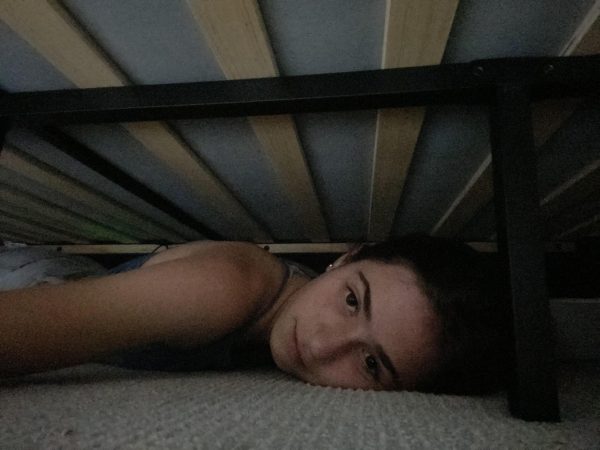
One of the odd episodes I called “zoning out” struck. They were just like staring off into space. The ones I had told my parents about were dismissed as ADHD; we all know that never ends well. I was expecting it to be short, just like the others. But something was wrong; I was trapped. It took a few minutes for my friends to notice, but I was promptly transported to the nurse’s office.
No one knew what was going on during the two-hour episode. Not the nurse, not the paramedics, not even the doctors at Motts Hospital. More episodes led to more doctors, and more doctors led to more mystery. After nine doctors failing to solve this mystery, I was finally diagnosed—non-Epileptic Neurological Disorder, NEND. A rare medical condition, I had never heard of. It was both a relief and a stress to know.
The news struck while I was doing research, no cures and no meds to help. I was stuck with this with no way out. I was a bit shocked and unsure, but as they continued to change my everyday life, I adapted. I learned how to tell when an episode was approaching. I set up a stopwatch feature on my phone to time the episodes, but there was a turning point.
Camp. During my LIT year, my friends brought me to the medical building when I was acting a bit strangely. I slipped into a deep episode lasting an hour and 45 minutes. My parents had forgotten to do one key thing while signing me up for camp: adding my disorder to my medical file. No one knew what was wrong with me.
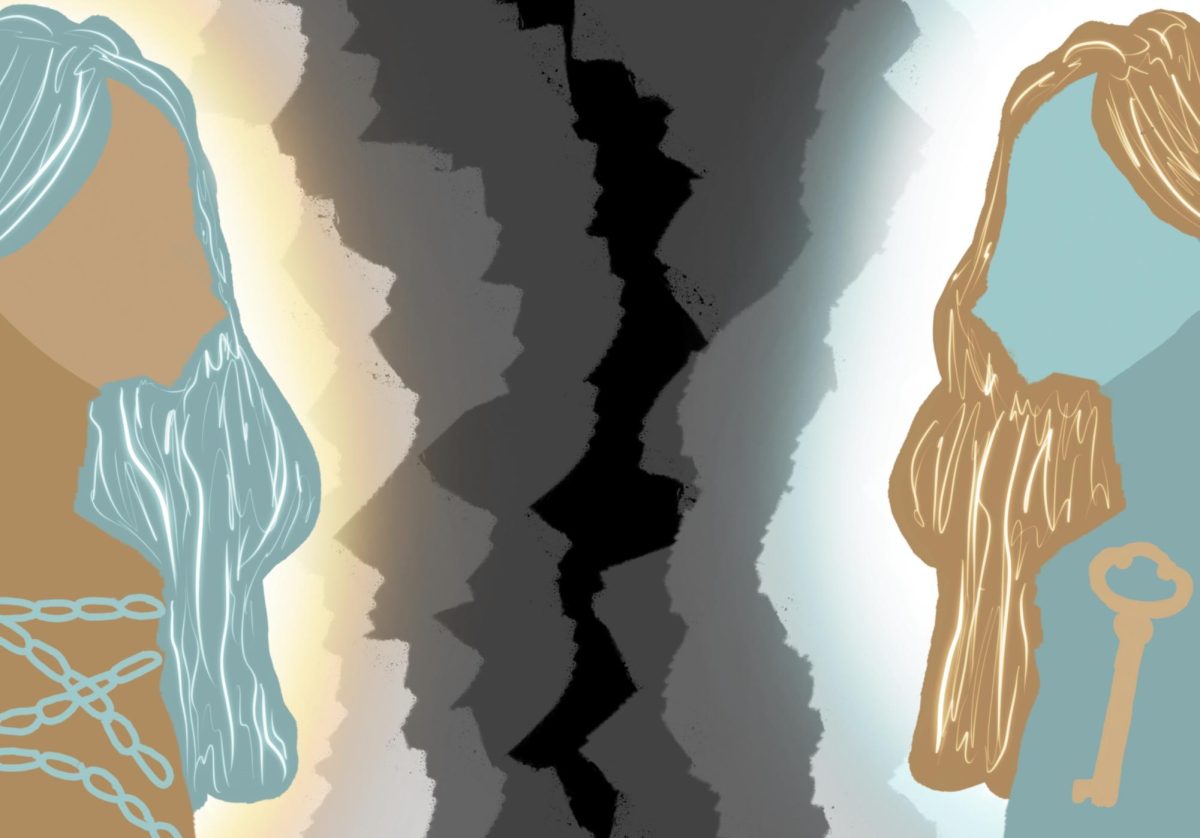
This time was different. I could move. Not much, but my hands and arms. This had never happened before; usually, I was completely paralyzed. That was the big breakthrough. I moved while entering an episode; I could move during the episode.
I was able to explain what was going on by writing it down on paper. When I came out of the episode, I explained to my friends, who were shaken. It didn’t completely calm them, but it reassured them that I wasn’t in danger.
After this happened, I started to wonder more about my disorder. How rare was it? Are there different types? The search results weren’t accurate. Non-epileptic seizures. That’s all it said. What I had weren’t seizures; they looked and acted like them in some ways, but that was a completely different condition. I didn’t want this medical disorder to be swallowed up with all the others similar to it. Seizures are a different medical condition, with a different impact on life. How else would people know about it if it were incorrect? So I started talking to whoever experienced me in an episode. I had my friend teach me the ASL alphabet so I could communicate when I was stuck in the long process of an episode.
As NEND continues to impact my daily life and how I think. I’ve thought about how I hadn’t heard of this disorder until I was diagnosed with it, and I wonder how many people have had the same experience. That needs to change. People need to know about the little-known disorders.