Australia has become the world’s first country to implement a national ban on social media for individuals under 16. This law went into effect at midnight on Wednesday, Dec. 10, immediately affecting millions of young users and raising questions of what this means for the future of social media in Australia and the world. (Reuters)
What is the Social Media ban?
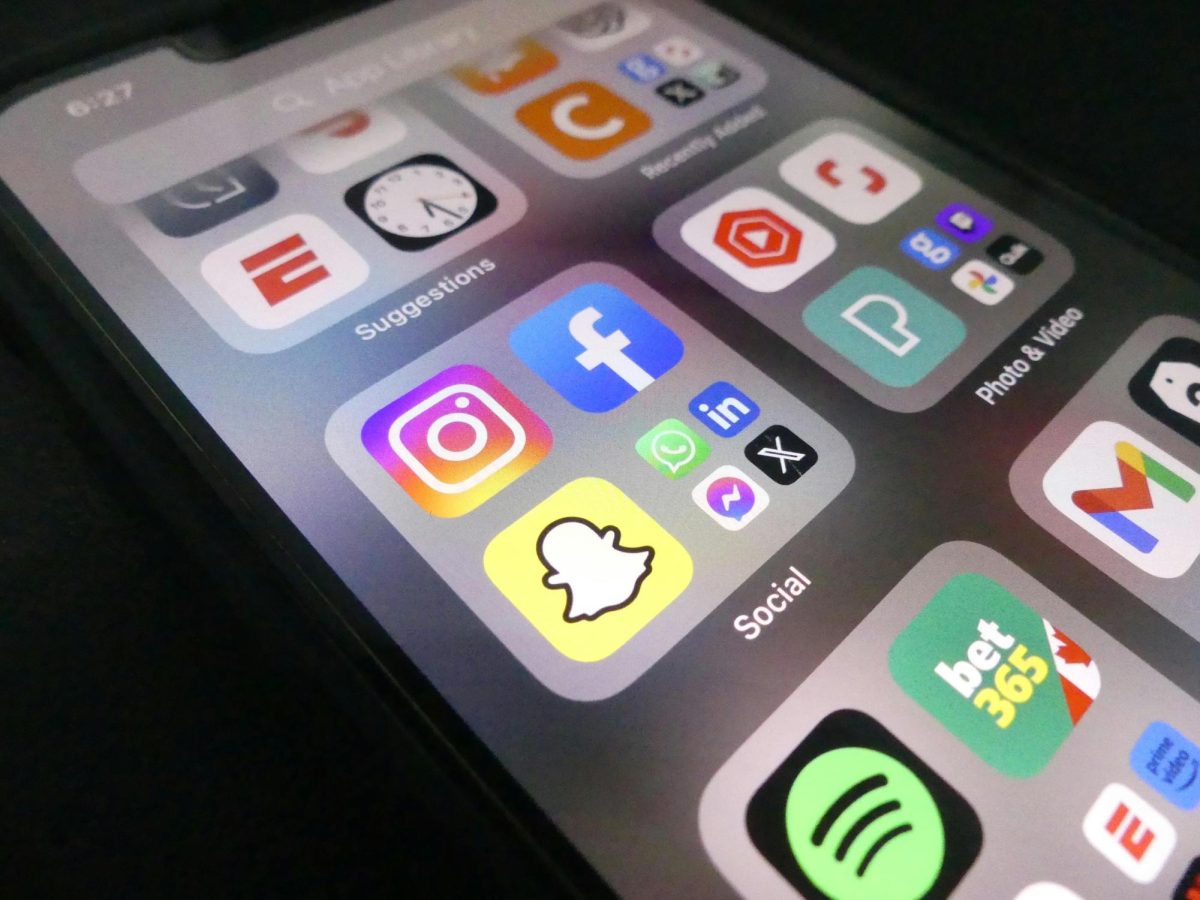
The Online Safety Amendment Bill 2024 blocks users under 16 from using major social media platforms, like TikTok, Instagram, Snapchat and Facebook. Companies are required to take “reasonable steps” to remove underage accounts and update age verification systems, starting Dec. 10, 2025. While technical changes may take time, they are mandatory under the new law.
The legislation aims to protect minors from online risks, including cyberbullying and harmful content. Social media companies now face penalties if they fail to comply. Companies that do not comply risk facing fines up to $49.5 million. (ABC)
Why was the law introduced?
The bill was proposed in Sept. 2024 among growing concerns of social media’s effects on children’s mental health. Reports from concerned parents and mental health advocates led to the belief that social media use causes issues in teens’ mental health, and that parental controls and safety features were unable to properly protect younger users.
Australian Prime Minister Anthony Albanese reported, “We know that social harm is being caused, and therefore we have a responsibility as a government to respond to the pleas of parents and respond as well to the campaign of young people saying, just let us be kids.” (CNN)
How are teens reacting?
While the legislation is designed to protect kids, the law has already frustrated many teenagers, who use social media to communicate, access information and socialise.
One teen said “This is the end,” reflecting widespread frustration among young users whose accounts were removed. (Reuters)
As the ban took effect, Australian teens have already taken legal action against the law.
Noah Jones and Macy Neyland have already sued to block the law. The teens argue that, despite social media problems, taking away social media violates their right to political expression. (CNN)
“We will lose connections, but we will also lose our democracy,” Neyland said. “The law is saying that democracy begins at 16, which is condescending and it’s incorrect.”
Jones added on, “Listen, there are definitely negatives on social media. I’m not denying that I completely agree. We’re saying that getting rid of kids is not the solution.”
Jones also emphasized how the government is taking away how they communicate to the world in the modern day
The lawsuit highlights how some teens don’t just see this as a personal inconvenience, but that it limits their ability to participate in society and express themselves online.
What happens next?
Australia is now adjusting to a world where online safety is enforced by law. Teens require new ways to communicate and access information, and social media companies must enforce stricter age restrictions.
Experts say the law could influence how other countries regulate social media for minors. The full impact on teens’ social life, communication and online culture is only beginning to show. (Reuters)
Childhood in Australia now comes with a government-enforced pause button on social media. For teens navigating friendships, information, and identity online, the law is a reminder that access and safety are now two separate things.