In a classroom of a teacher I was unfamiliar with, I sat with 30 of my peers, facing the front of the room. The clanking of cell phones into the plastic bin brought me to reality as the hall monitor came around to collect them. It was the day of the SAT, and I felt unprepared, ready to beat myself up for choosing state championships over tutoring.
A lot can be said about the sacrifices student-athletes make for their sport. On average, they tend to do better in school, with high GPAs and rigorous coursework, according to the NCAA, but this isn’t an easy feat. Success takes work, and finding the balance between being the best at their sport or their academics is a tremendous challenge.
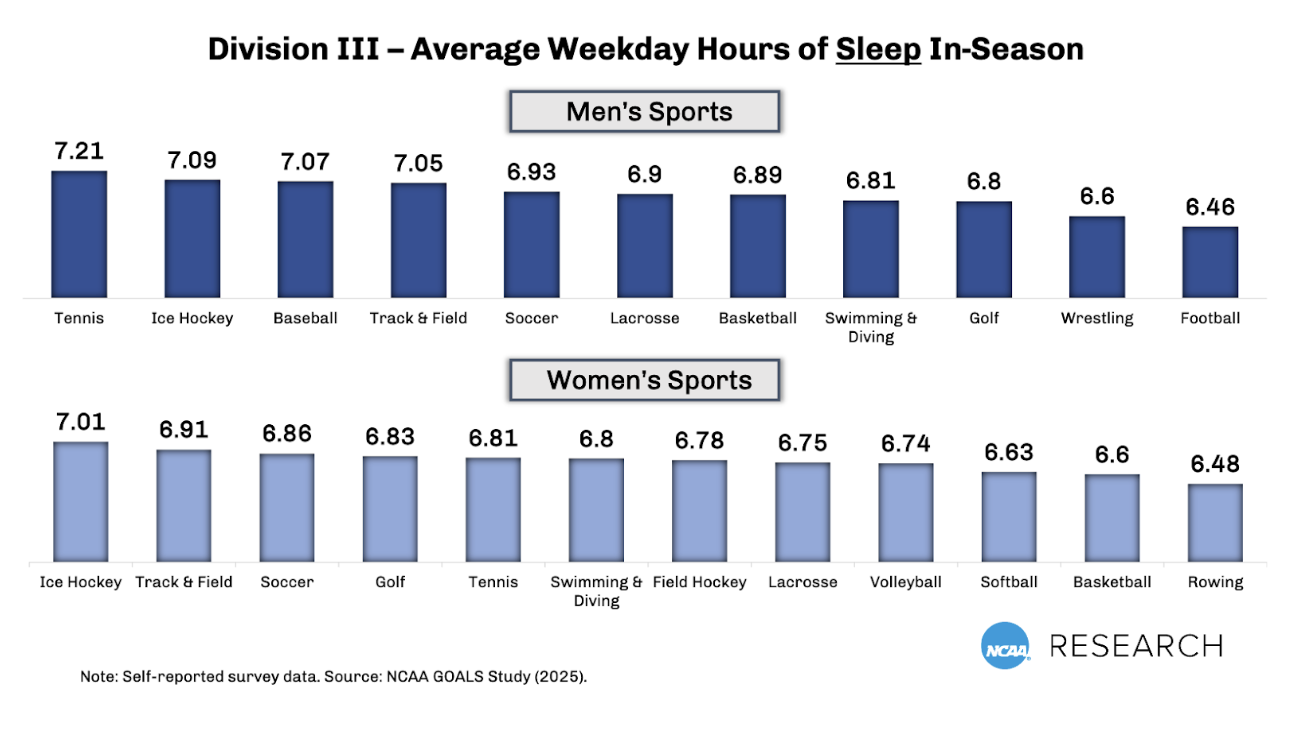
Many peers have time after school to focus on coursework and studying. But for a student athlete, that time is split with practice, strength training and focusing on bettering their sport. This forces them to do their coursework later in the night, which often results in losing sleep. High school athletes are recommended to get between eight and ten hours of sleep each night, but with practice and academics, this is nearly impossible. Studies show that they end up getting around seven hours. It is wrong to assume that a student-athlete can maintain exceptional performance in their sport and also academics without developing burnout.
The Kansas Journal of Medicine defines athletic burnout as “a syndrome of emotional and physical exhaustion (resulting from training and/or competition), a reduced sense of accomplishment (negatively evaluating one’s abilities and achievements), and sport devaluation.”
Burnout greatly impacts the student in terms of academics as well. When a student is burnt out, they are likely to fall behind in schoolwork and other aspects of their life. Prolonged exhaustion will not go away without time to rest. But where is that time supposed to come from?
Along with potential study time being used on sports, many students, like myself also have a job. This takes away from weekend time that would otherwise be spent catching up on homework or preparing for high-stakes exams, for example, the SAT.
It’s easy to feel behind, at least in my experience. A full-time student who participates in a high-intensity sport every weekday and who works through the whole weekend doesn’t get much free time. Time is the most valuable asset to bargain for, and priorities become hard to form because I value keeping up with my sport.
Bargaining between sport and academic attention takes a toll on mental health. Michal Davis, Co-founder of Champion Mindset, a student organization focused on athlete mental health research and analysis, explains the toll that juggling all of this can take on mental health.
“Student athletes are definitely prone to burnout due to constant stress compared to their peers,” Davis said. “Student athletes are at a higher risk of depression and anxiety because of how much they deal with. It’s important to maintain healthy relationships with coaches and your sport to avoid this.”
Overexerting yourself can undermine the work you do put into both sports and academics, so don’t expect yourself to be perfect at everything. It takes balance to succeed. Utilize summers to get tutoring, take one rest day from your sport to focus on academics and don’t bite off more than you can chew.