As Ann Arbor Public School (AAPS) union negotiations continue and teachers work without contracts (read more about this topic here), the issue goes far beyond the classroom. Their previous three-year contract expired on Dec 31, 2025, moving the district and representatives from the union into further negotiations. Beforehand, they had been in conversation and in negotiations but weren’t able to come to an agreement.
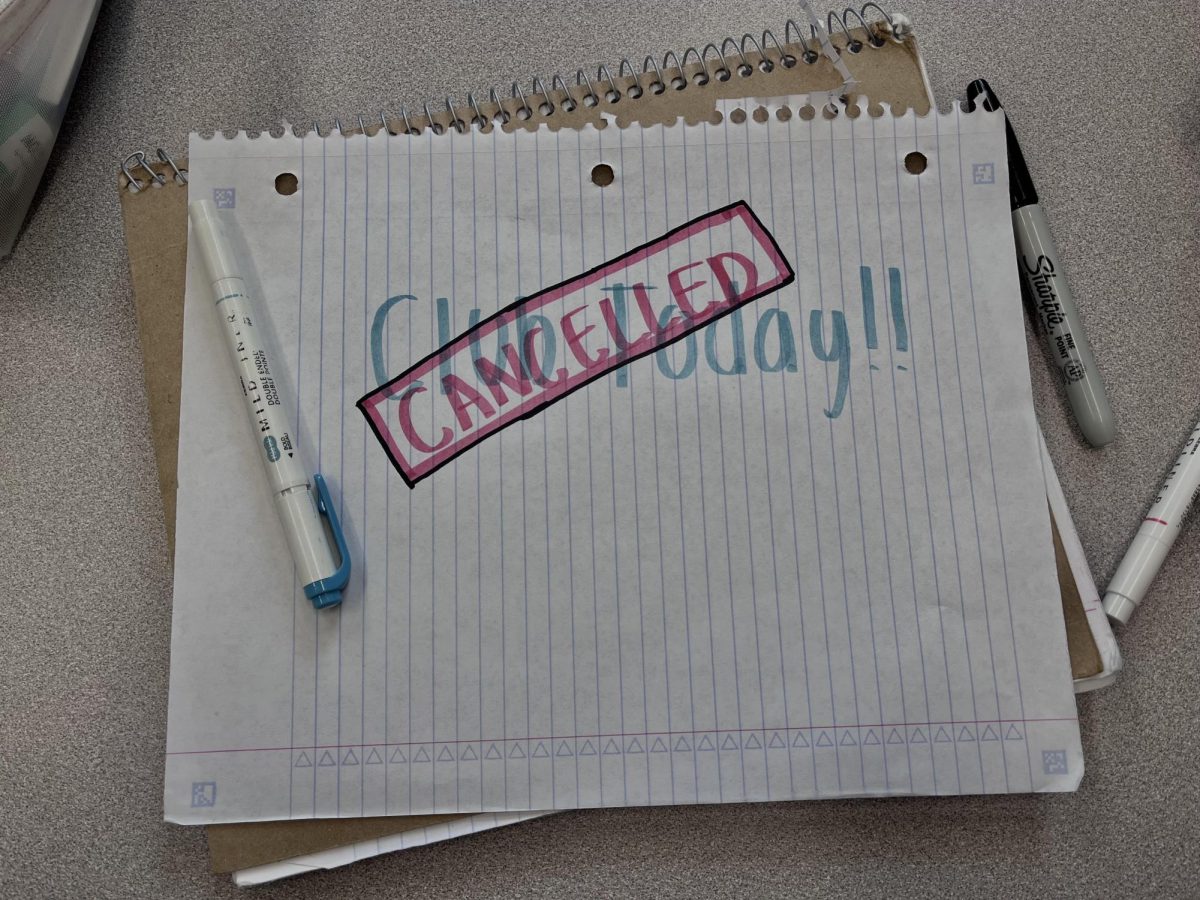
As of Monday, Feb. 9, almost all CHS clubs will be cancelled after teachers were asked to step back from advising unpaid extracurricular activities until further notice. These include clubs like Feminist Club, Climbing Club and Glass Half Full. However, a select few are still going to be in operation: clubs or after-school activities that are led by retired volunteer advisors outside of the union or teachers working for paid time. These include Poetry Club, Mock Trial and Forum Council.
CHS history teacher and Union Building Representative for the Ann Arbor Education Association, Joslyn Hunscher-Young, expressed that what educators should have been doing back in January was having these conversations with students about canceling clubs until negotiations finish, as most clubs are relying on the unpaid labor of teachers.
“It’s an important step in showing the unpaid labor and the power of our union and demonstrating to students, families and the community to get the message to the board,” Hunscher-Young said. “All of the unpaid labor that teachers give to make schools a really great place.”
The end of such teacher-advised clubs leaves many students, especially underclassmen, without those spaces for connection and community. CHS English teacher Jessika Whiteside, the advisor of the Extra Mile, Glass Half Full, Humans United and Writers Club, shared how the pause on clubs highlights how deeply these clubs shape students’ lives.
“That’s one of the really great things about Community,” Whiteside said. “You can always find people who are in [like]-minded clubs. If you are passionate about something, an adult will sign off on that. So it feels sad that we’re being asked not to do that.”
Hunscher-Young agrees that it could be hard for students but also for educators on the other end.
“A lot of teachers are doing these clubs because those are the things they love, and they love the time with students,” Hunscher-Young said. “They love sharing those interests and passions. It’s really hard for teachers not to.”
Whiteside is hopeful that at this time of year, students will be able to migrate to different locations during lunch, such as the third-floor tables or kerrytown once clubs get cancelled. And Hunscher-Young has similar ideas for the meantime.
“It might mean there are more parents who have to volunteer to be chaperones for things,” Hunscher-Young said. “It might mean that you all have to meet, you know, elsewhere or figure out how to communicate in other ways and to organize in other ways. But I do hope that it is short-lived so that it won’t impact things like next school year or even at the end of the school year. I’m optimistic that it won’t be for that long.”